
The gym equipment repair vs replace question has a short answer: repair while the frame is sound and parts are still available. Replace when the cost of keeping a machine alive for one more year is higher than the cost of owning a new one for that same year. Age alone decides nothing. A 12-year-old power rack is barely broken in. A 6-year-old treadmill with a dead motor controller and no spare board is finished.
Most guides stop at “if the repair costs more than 50% of a new unit, replace it.” That rule is a decent floor, but it ignores two things that cost real money: downtime and parts availability. Here is how we see it from the factory side, where we get the phone calls about 8-year-old machines that nobody can fix.
Why the 50% repair rule breaks down
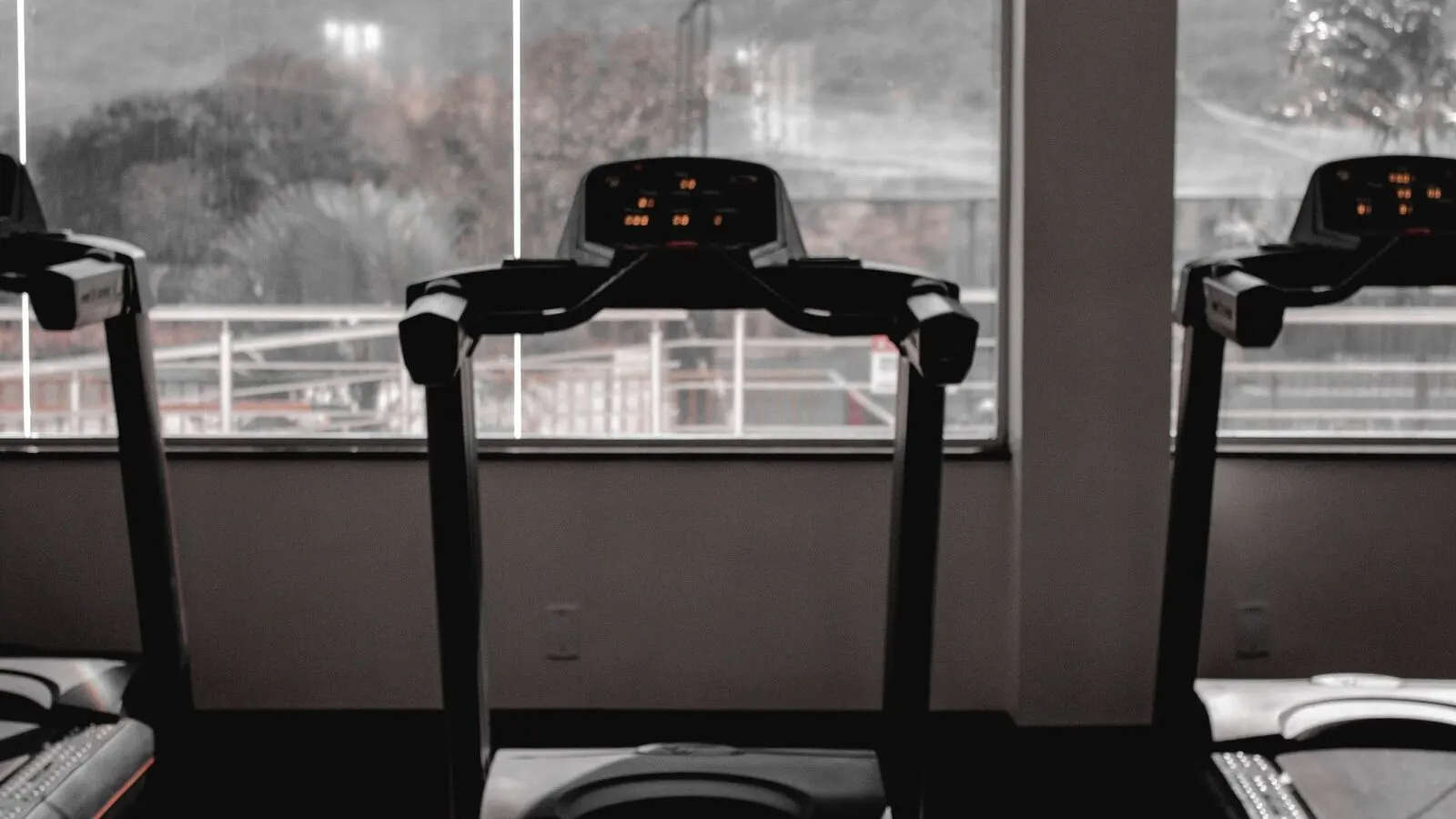
Take a commercial treadmill with a failed motor and a worn deck. Repair quote: $1,100 in parts and labor. A comparable new unit costs $3,200 factory-direct. That is 34% of replacement, so the rule says repair.
Now add the rest:
- Downtime. The machine has been out of service three weeks waiting for the motor. If it is one of eight treadmills, you lost 12% of your cardio capacity at peak.
- Remaining life. That treadmill has 8 years on it. A new belt and motor might buy two more years, maybe three, before the console board or the drive roller goes.
- Second repair risk. Older electronics fail in clusters. The motor controller that survived this round is next.
The repair still might be right. But you cannot see that from a percentage. You see it from a per-year number.
The two numbers behind every gym equipment repair vs replace call
Cost of keeping = (repair cost + downtime cost + expected follow-on repairs) ÷ expected remaining years
Cost of owning new = (purchase price − salvage value of the old unit) ÷ expected service life
If keeping costs more than about 70% of owning new, replace. Between 40% and 70% is a judgement call that depends on how much spare capacity you have. Below 40%, repair, and put the savings into preventive maintenance.
Run it on the treadmill above:
| Line | Keep it | Replace it |
|---|---|---|
| Upfront | $1,100 repair | $3,200 new |
| Downtime exposure | 3 weeks down, 1 of 8 units | 1 day swap-out |
| Expected remaining life | 2 years | 8 years |
| Salvage / resale | $300 as-is | $300 for the old unit |
| **Cost per year of service** | **~$550/yr** | **~$360/yr** |
Same machine, opposite answer from the 50% rule. The repair is not the problem. The two years of remaining life is the problem.
What actually fails, and in what order
Frames almost never die. After years of building and shipping this equipment, the failures we hear about cluster in the same five places.
| Component | Typical life in commercial use | Typical replacement cost (parts + labor, USD) | Replace the machine when |
|---|---|---|---|
| Treadmill belt and deck | 2-4 years heavy use | $300-700 | Deck is cracked or the deck has already been inverted once |
| Treadmill motor / controller | 6-10 years | $700-1,600 | Controller is obsolete and no drop-in replacement exists |
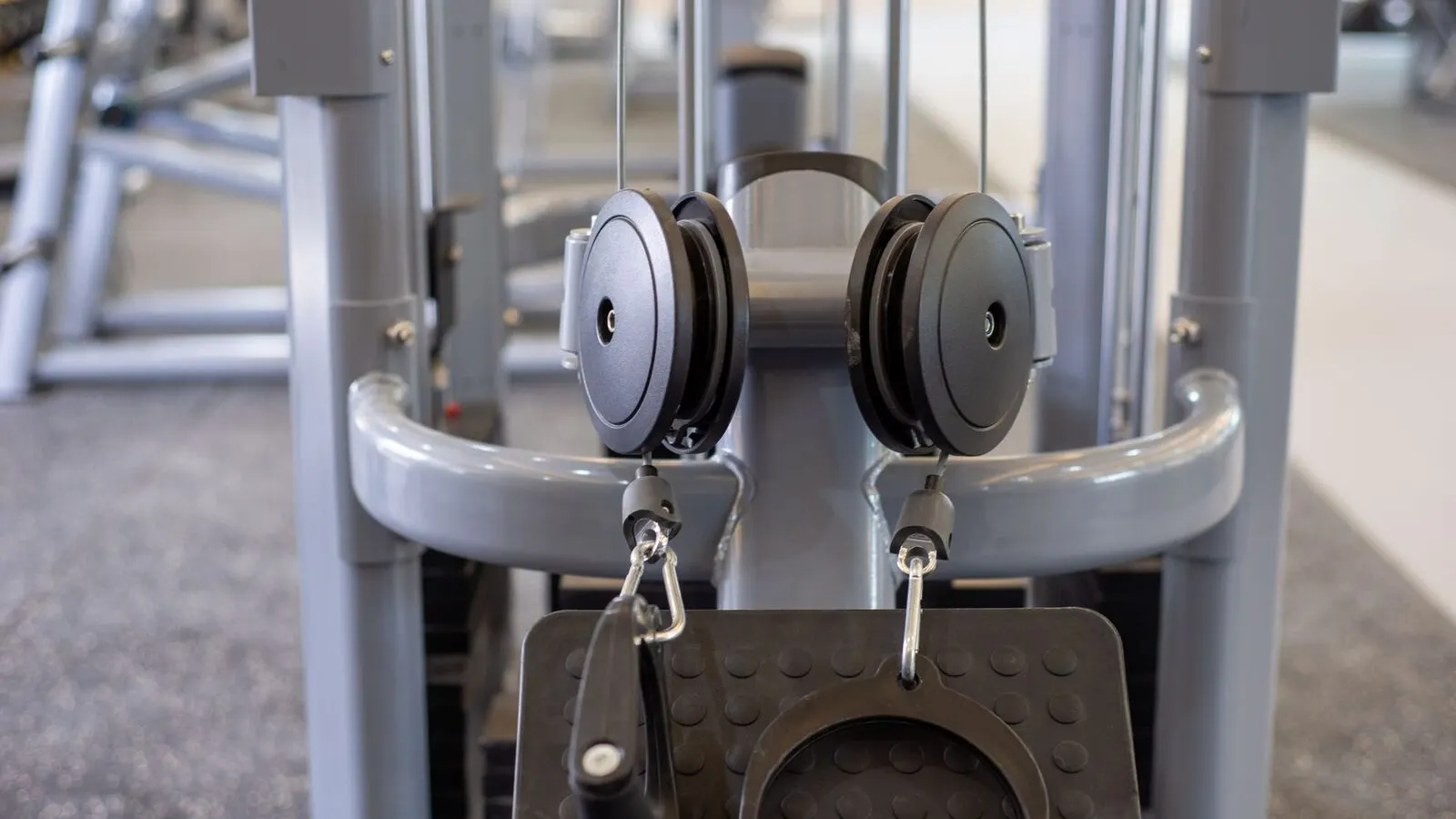
| Cables and pulleys (selectorized) | 2-5 years | $120-350 per station | Cable anchor points or frame tabs are deformed |
| Upholstery pads | 3-6 years | $80-250 per pad set | Foam is collapsed to the frame and the pad base is cracked |
| Guide rods, bushings, linear bearings | 5-10 years | $150-500 | Rods are pitted or scored beyond polishing |
| Frame, welds, base | 15-25 years | Not economical | Crack at a weld, bent upright, or a structural repair |
Two things worth noting. Cables, pads and bushings are consumables, not failures. Budget them like tires on a van. And a machine with a sound frame plus fresh cables, pads and bushings feels new to a member, because those are the parts they touch.
The parts availability cliff
This is the single most common reason a repairable machine gets scrapped, and almost nobody plans for it.
Proprietary parts have a shelf life that runs shorter than the machine:
- Console boards and motor controllers are model-specific. When a brand discontinues a model, that board becomes unobtainable, and a $40 component takes a $1,400 machine out of service.
- Plastic shrouds and covers crack and cannot be sourced. The machine runs fine and looks like salvage.
- Custom cable lengths with swaged fittings can be remade by a rigging shop, usually at 2-3 times the factory part price.
- Standard bearings, belts, pulleys and pads are generic. Any industrial supplier has them.
Ask three questions before you buy, not after something breaks:
- Can I get a parts list with part numbers and supplier specs for this model?
- How long will you stock parts for it after you stop building it?
- Which parts in this machine are proprietary, and which are off-the-shelf?
A manufacturer that answers all three in writing is telling you the machine has a second life in it. A dealer who says “we handle all service” is telling you the machine has a second life only as long as you keep paying them.
When replacing wins even though the repair is cheap
Four situations where the spreadsheet misleads you.
The frame or weld is compromised. A crack at a weld on a loaded machine is a liability, not a repair job. Cut it up and buy new. No exception.
The machine no longer fits how the floor is used. A working lat pulldown in a room that now needs a leg press is still the wrong machine. That is a layout decision, not a maintenance one.
Capacity has outgrown the duty rating. Home-grade or light-commercial units put into a 16-hour commercial floor fail early and repeatedly. The repair history is a symptom.
Member-facing features are gone. Consoles with dead screens, missing heart rate grips, torn pads on the machine everyone uses. Members read that as neglect of the whole facility, not one machine.
When repairing wins even though the machine is old
Strength equipment is where the math flips hard. An 11-gauge selectorized frame with good welds and straight guide rods will outlive two rounds of cardio replacement. A full refresh (cables, pulleys, pads, bushings, new decals) typically lands at 15-25% of a new machine and resets the wear clock by 4-6 years.
Plate-loaded equipment is even simpler. There is almost nothing to fail except pads, bushings and the odd bent pin. Keep them, repad them, and spend the money on the cardio floor instead.

Turning this into a fleet policy
Individual decisions get emotional. A policy does not. What works for the facilities we supply:
- Tier the fleet. A-tier is under 4 years old and gets full preventive maintenance. B-tier is 4-8 years and gets repair-only. C-tier is over 8 years and stops getting repairs above a set threshold, usually $400.
- Set a replacement budget as a percentage of fleet value. 8-12% of replacement value per year is a realistic steady state for a cardio-heavy floor. Underfund it and you get a floor that fails in waves.
- Keep a spares ratio. 2-3% of the fleet as spare units, or a small stock of belts, cables and pads. One spare treadmill covers a lot of downtime.
- Log every repair with cost and downtime. Six months of data tells you which models are eating your budget, and that is the list you take to your next purchase.
- Standardize on fewer models. Two treadmill models instead of five means one parts bin, one technician skill set, and better negotiating leverage on the next order.
If you already have a maintenance log, the spare parts guide covers what to stock. If a treadmill is the machine in question, the motor and deck replacement guide goes deeper on when a repair is genuinely the last one.
Buying differently so the next fleet is cheaper to keep
Lifecycle cost is decided at the purchase order, not at the repair. The specifications that matter for the back half of a machine’s life:
- Standard bearing sizes (6000/6200 series and similar) instead of custom housings.
- Bolt-on pads with exposed fasteners, not glued and stapled upholstery.
- Published cable lengths and fitting specs so a local rigging shop can rebuild a cable.
- Off-the-shelf motor controllers where the design allows, or a documented replacement path.
- A written parts availability commitment, typically 7-10 years after a model is discontinued.
- A parts list with the machine, not on request in year six.
None of these cost much at the factory. All of them change the repair-or-replace answer five years later.
FAQ
Is the 50% rule for gym equipment repair still useful? As a floor, yes. If a repair costs more than half of a new unit, the machine needs a hard look. It should not be the only test, because a repair at 30% of replacement on a machine with one year left is worse value than a repair at 60% on a machine with six years left.
How long should a commercial treadmill last? 7-10 years in a busy facility is the honest range, and heavy 16-hour use can pull that down. A lightly used corporate or hotel unit can run longer. Belt and deck life depends on hours and lubrication more than on calendar age.
The frame is fine but the electronics are dead. Repair or replace? Check parts availability first. If a controller or console board exists at a sensible price, repair. If it does not, you are looking at a machine that cannot be returned to service, and no amount of frame quality changes that.
Should we repair equipment before selling it used? Only cosmetic and safety items. A buyer discounts a working machine more than the repair costs, and you carry the warranty risk on the repair. Sell as-is with an honest fault list.
Does buying factory-direct change this calculation? It changes the denominator. A lower replacement price makes replacement look better sooner, and access to the actual manufacturer usually means parts lists, spare cables and pads years after a dealer has moved on. Both push the decision toward replacing earlier and keeping machines serviceable longer.
What is the one number to track? Cost per year of service, per machine. Not repair spend, not age. That number tells you what to keep, what to cut, and what to buy again.
Where to go from here
If you are working through a fleet and want the parts side mapped out, our selectorized strength machines and plate-loaded machines are built with serviceable cables, standard bearings and bolt-on pads, and we ship with a parts list. For cardio, the commercial treadmill range uses common controller architecture so a board failure does not scrap a frame.
Send us your fleet list with ages and fault history and we will tell you which units are worth keeping. That is a normal conversation for us, and it is free. Contact the factory and we will come back with a straight answer, including the cases where you should not buy anything.