
Treadmill Motor and Deck Replacement: When to Repair and When to Replace the Machine
A commercial treadmill that dies is a decision, not a disaster. Motor replacement runs roughly $250–$650 for the part on a commercial unit, a deck and belt pair around $250–$500, and labour is two to four hours for either job. If the frame is sound and the machine is under about five years old, repairing almost always beats replacing, because the frame and the console are where most of the money sits.
The machines worth scrapping are the ones where three or four systems fail at once on a unit past year seven, or where the parts are discontinued and the lead time is longer than the downtime you can afford.
This is how we advise gym owners on the call, and what to check before you spend anything.
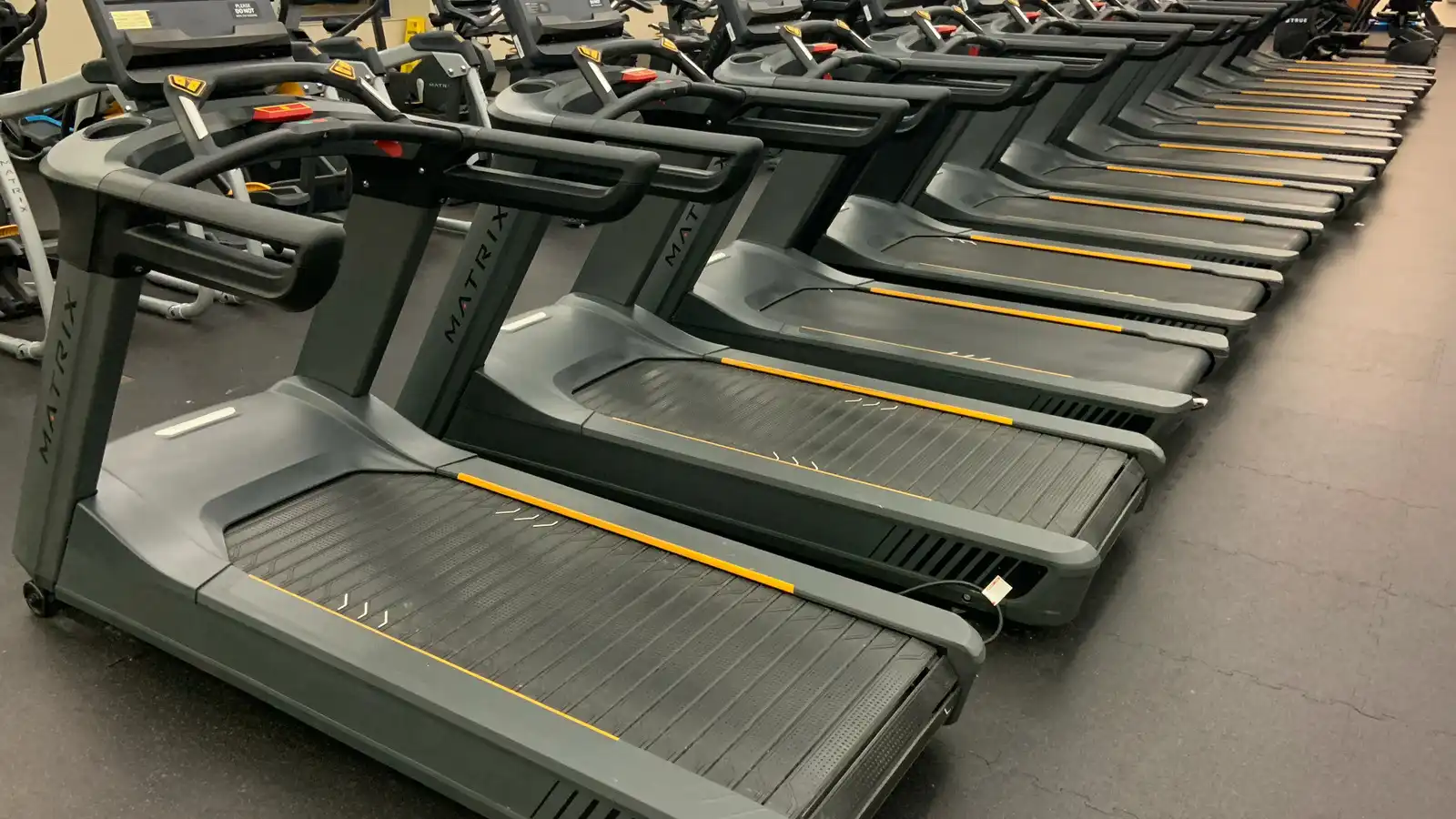
The short answer
Repair when a single wear component has failed and everything around it still works. Replace when the failure is systemic, when parts are unavailable, or when the repair cost passes about 40% of what a comparable new machine costs delivered.
The specific numbers we see on commercial grade units:
| Job | Part cost | Labour | Downtime | Worth it when |
|---|---|---|---|---|
| Running belt only | $120–$300 | 1–2 h | Hours | Deck surface is smooth, no scoring |
| Deck + belt together | $250–$500 | 2–4 h | Half a day | Deck scored or worn through the wax layer |
| Drive motor | $250–$650 | 2–4 h | 1–3 days | Frame, deck and board are healthy |
| Lower control board | $180–$500 | 1 h | 1–2 weeks if backordered | Motor tests clean |
| Rollers and bearings | $60–$180 per pair | 1–2 h | Hours | Bearing noise, not motor noise |
| Console | $300–$900 | 1 h | 1–3 weeks | Machine mechanics fine, display dead |
Compare that against $2,500–$6,000 delivered for a new commercial treadmill, and the arithmetic usually points one way. It stops pointing that way when the repair list reaches three or four lines at once.
What actually wears out, in order
Treadmills fail in a predictable sequence. Knowing the sequence tells you what to inspect before you order a part.
1. The belt. Every commercial belt has a service life measured in running hours, not years. High traffic units in a 24-hour gym can eat a belt in 18–24 months. Symptoms: slipping underfoot at speed, a shine on the top surface, frayed edges, or a visible seam line.
2. The deck. The belt runs on the deck, and the deck is what the wax is for. Once the wax layer wears through, the belt starts polishing the deck surface and friction climbs. A scored, shiny, or dark-glazed deck under the belt means both parts get replaced together. Fitting a new belt on a worn deck is the most common way gyms waste $200.
3. Rollers and bearings. Front and rear roller bearings dry out and growl. Easy to confuse with motor noise. Spin the rollers by hand with the belt off: rough feel or play means bearings, not motor.
4. The motor. Motors rarely fail spontaneously. They die from heat, dust, low voltage, or a belt tensioned so tight the motor is fighting it all day. Brush-type DC motors wear their brushes; brushless AC motors usually fail at the bearings or the windings instead.
5. The lower control board. The board is the part that gets blamed for everything and is usually innocent. It fails for real when it has been cooking in a clogged motor compartment.
6. The console. Displays, membranes and touch panels die on their own schedule. A dead console on a healthy machine is a cheap fix compared with a new treadmill.
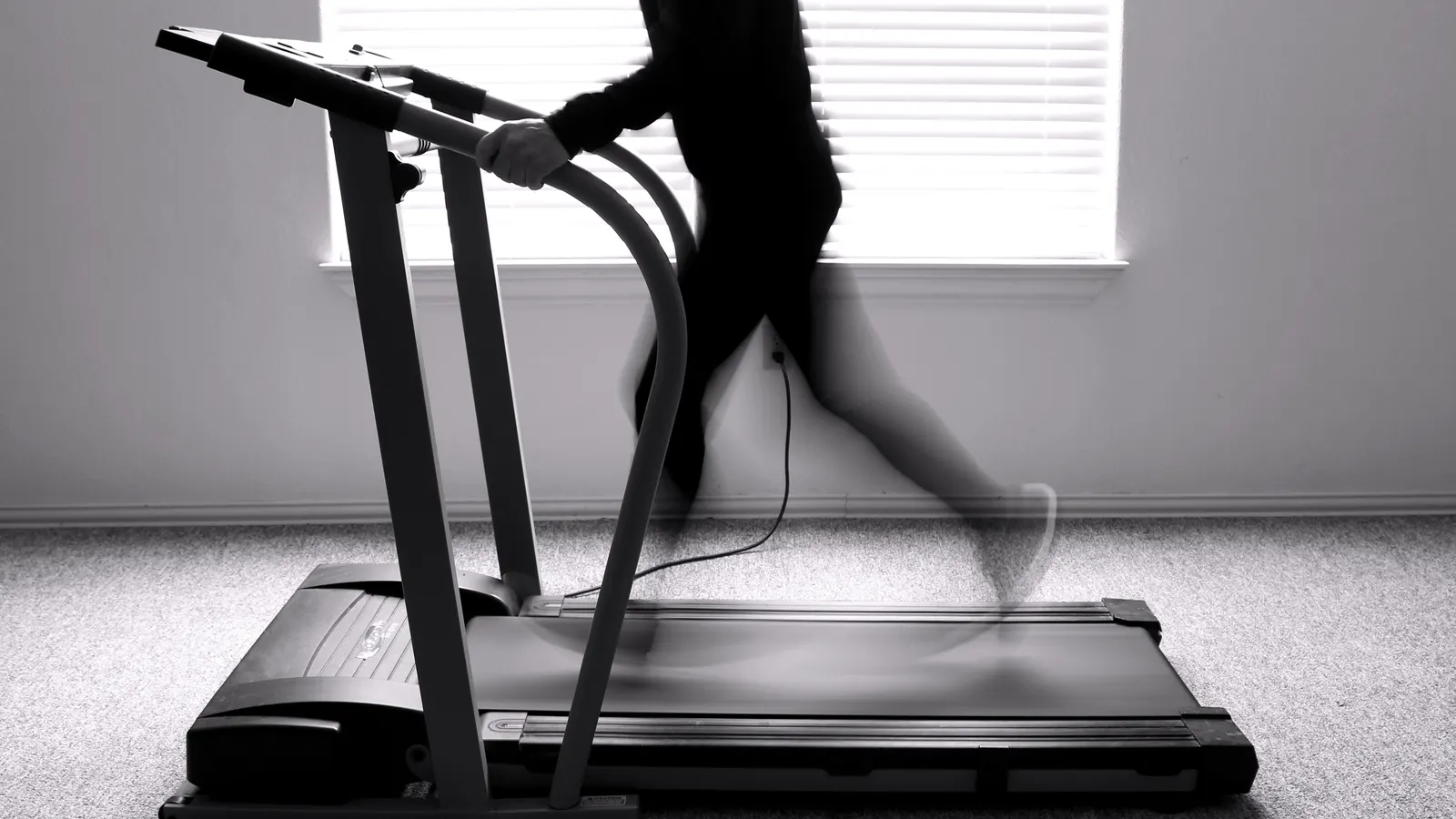
Diagnose before you order
Five checks, in this order, take about twenty minutes and save you from buying the wrong part.
- Listen with the belt off. Run the motor with no load. If the noise disappears, it is belt, deck or rollers.
- Smell the motor compartment. A burnt, acrid smell means windings or board. Dust and lint with no smell means the compartment has never been cleaned, which is its own diagnosis.
- Check belt tension and tracking. A belt tensioned too tight loads the motor and the rollers. Roughly 1–2% stretch and the ability to lift the belt an inch at the centre is the working range on most commercial decks.
- Test speed against the console. If the belt hesitates at speed but runs fine at walking pace, suspect the board or a voltage drop before the motor.
- Inspect the power supply. Commercial treadmills on a shared circuit, an extension lead, or a circuit also feeding a water heater will brown out under load. We have seen three “failed motors” that were a voltage problem.
Do this before you call a technician. Half the service calls we hear about end with a cleaning, a belt adjustment, or a dedicated circuit.
The repair-or-replace decision, by age and hours
Treadmill life is better measured in hours than years. A light commercial unit in a hotel gym running two hours a day is a different animal from the same machine in a 24-hour club running fourteen.
| Machine age and condition | Recommendation |
|---|---|
| Under 3 years, one wear part failed | Repair. Always. |
| 3–5 years, deck and belt both gone | Repair, and check the rollers while it is open |
| 3–5 years, motor and board both failed | Price both; usually repair still wins |
| 5–7 years, two systems failed | Compare against new, and factor the next failure |
| 5–7 years, frame rust or cracked welds | Replace. Frame failure is not repairable safely |
| 7+ years, parts discontinued | Replace, and buy the new machines with a parts commitment |
| Any age, three or more systems failed | Replace |
Two things push the decision earlier than the table suggests. First, downtime: a treadmill off the floor in a 40-machine cardio zone is a minor annoyance. In a hotel gym with three machines, it is a guest complaint. Second, model consistency. If your repair keeps a discontinued model alive, you are now stocking parts for a machine you cannot buy more of.
What a motor replacement actually involves
Most commercial treadmill motors are not universal. Mounting bolt pattern, shaft diameter, pulley size, voltage, and the connector to the control board all have to match. Buying a “comparable” motor online is how gyms end up drilling new mounting holes.
The job, done properly:
- Photograph the wiring before disconnecting anything. Every wire.
- Remove the motor hood, then the belt, so the motor spins free.
- Disconnect the motor leads and the thermal sensor if fitted.
- Unbolt the motor mount and lift it out. These are heavy; a 3 HP commercial motor with its flywheel is 20–30 kg.
- Fit the replacement, align the drive pulley, and set belt tension to spec, not to “tight”.
- Run it unloaded for five minutes and check for heat and noise before you put a rider on it.
- Clean the compartment and replace the filter mesh if the machine has one.
If the factory supplies an exploded diagram with part numbers, this is a two-hour job for a competent technician. Without one, it is a guessing game. Ask for the diagram before you buy, not after.
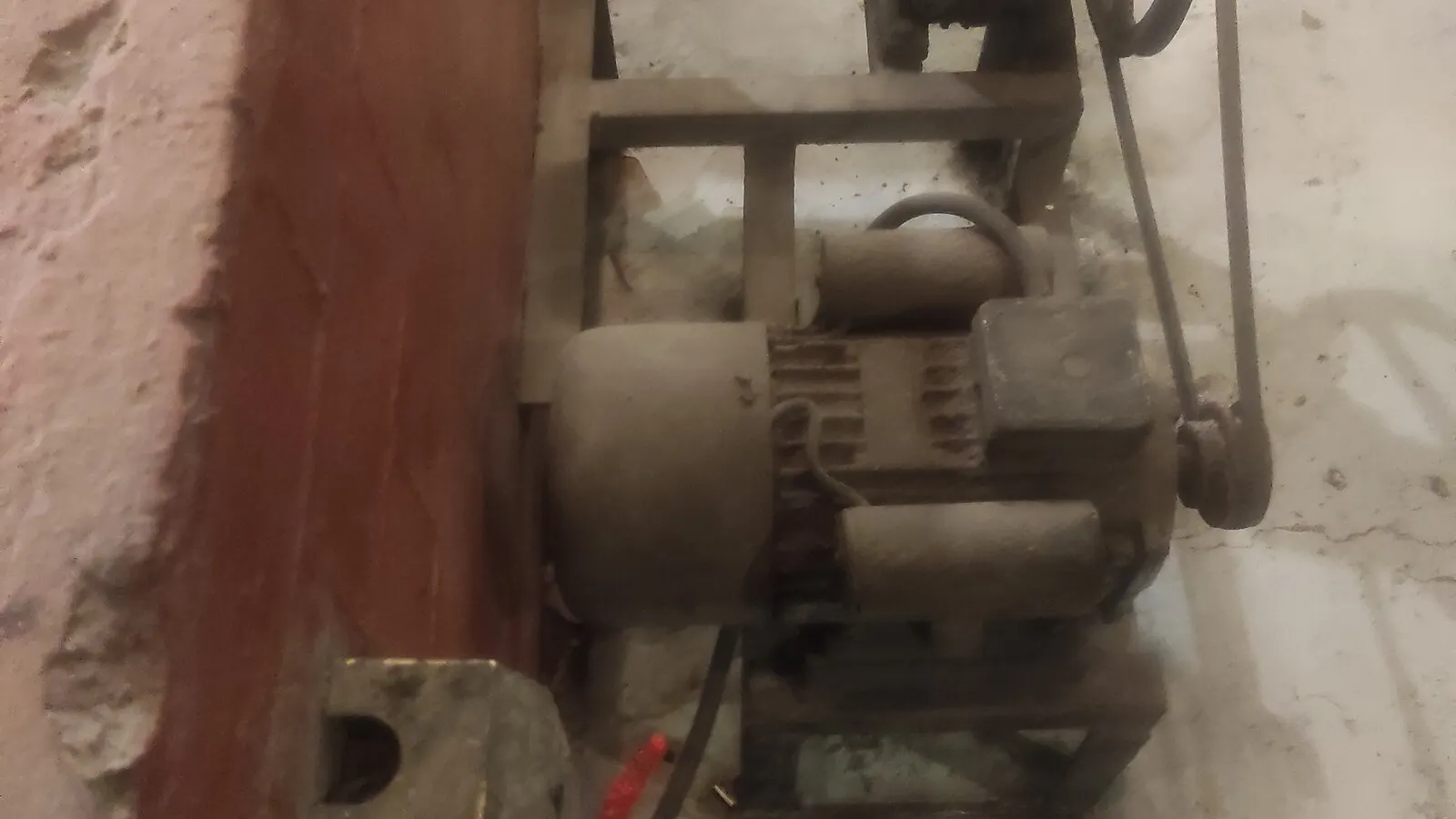
Why motors fail early, and what prevents it
None of these are manufacturing defects, and all of them shorten motor life:
- Dust in the motor compartment. Lint and dust blanket the motor and the board, and both run hotter. A monthly vacuum is the single highest-return maintenance task on a treadmill.
- Belt tensioned too tight. More tension means more load on the motor and the front roller bearing. Tight belts feel great and cost motors.
- No lubrication discipline. Wax-impregnated decks need less, not none. Silicone on a self-lubricating deck can actually attract grit.
- Running at maximum incline constantly. Incline raises the load. A gym that programs hill profiles on every machine all day is working the motors harder than the spec sheet assumed.
- Shared or undersized circuits. Voltage sag makes the motor draw more current to do the same work. Dedicated circuits per machine, or per pair, are worth the electrician’s invoice.
- No scheduled inspection. Bearings that growl for six months become shafts that score.
The economics gyms usually get wrong
Owners compare the part price to the machine price. The comparison that matters is the part price to the cost of not having the machine.
A treadmill that earns its place in a busy club drives maybe $30–$80 of membership value a day in attributable usage. A $400 deck and belt job that buys another three years is not a cost, it is the cheapest capacity you will buy this quarter.
Where owners do lose money is the opposite pattern: repeatedly repairing a machine that is one failure away from another, while the spare parts sit on a shelf and the model is out of production. Three repairs in twelve months on the same seven-year-old unit is the signal to stop.
A practical policy we recommend: keep one spare treadmill per 15–20 in service, or at minimum one spare in a facility under 10 machines. Rotate the oldest working unit into the spare slot when you buy new. That single habit removes the urgency from every repair decision, and urgency is what makes people buy badly.
What to order with a new treadmill order
Serviceability is set at purchase, not at the first breakdown. When you buy, ask for:
- An exploded parts diagram with part numbers for every assembly, in English.
- The motor specification: frame size, voltage, HP, shaft diameter, and a photo of the mounting pattern.
- A written spare parts commitment, with a stated number of years. Seven to ten is reasonable on commercial equipment.
- A first-order spares kit: one belt and deck set per ten treadmills, one motor per twenty, a set of rollers, and a handful of console membranes.
- Confirmation that wear parts are standard sizes rather than proprietary, so belts and bearings can be sourced locally in an emergency.
That list costs very little at order time. It is the difference between a $300 repair and a $3,000 replacement two years later. Our commercial treadmill range ships with parts documentation and a spares list, and the same logic applies to home and light commercial units and to accessories and wear parts.
FAQ
How long should a commercial treadmill motor last? On a well-maintained commercial unit, 8,000–15,000 running hours is a realistic range, which in a busy club is five to eight years. In a lightly used hotel gym, the same motor can pass fifteen years. Dust control and belt tension matter more than brand.
Can I replace just the belt and keep the deck? Yes, if the deck surface is smooth and the wax layer is intact. Run your hand along the deck under the belt: any scoring, dark glazing or a visible groove means replace both. A new belt on a scored deck wears out in months.
Is it worth rebuilding a motor instead of replacing it? For a common motor frame with good parts availability, a rebuild (new brushes, bearings, commutator turn) at 40%–60% of a new motor price is reasonable. For a sealed or proprietary motor, replacement is the only option. Ask the factory whether the motor is a standard frame before you decide.
How often should belts be lubricated? Follow the deck specification. Wax-impregnated and self-lubricating decks typically need silicone every 3–6 months in commercial use, or less. Non-lubricated decks need none. Over-lubricating attracts dust and causes belt slip, which is worse than under-lubricating.
What is the single best thing I can do to make treadmills last? Vacuum the motor compartment monthly, keep the belt at spec tension, and put each machine on an adequate circuit. Those three habits cost almost nothing and remove most of the failure modes in this article.
Next step
If you are deciding between repairing a tired fleet and replacing it, send us the model, age and failure history and we will tell you what the parts would cost against a delivered replacement. Start with the commercial cardio range or talk to us through the contact page.