
A dumbbell rack is the cheapest piece of equipment on your floor and the one that decides whether your free weight zone looks professional or like a yard sale. It also fails more often than people expect, usually because the buyer counted pairs instead of weight.
This guide is written from the factory side. We weld these frames, powder coat them, and load them into containers, so we know which parts of a rack quote are real and which are marketing.
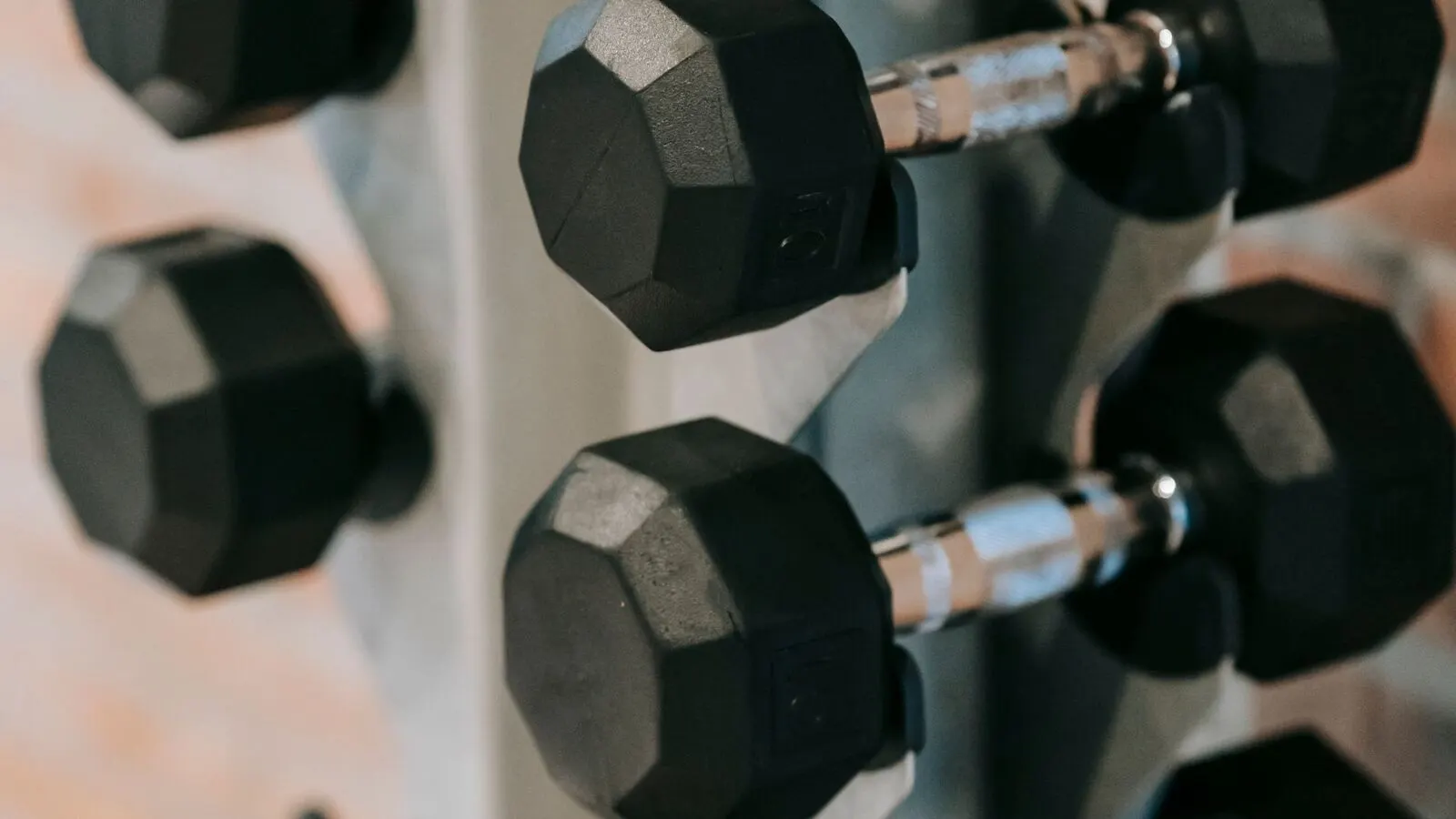
Start With the Storage Math, Not the Rack
Most gym owners buy a rack by looking at how many pairs it holds. That is the wrong number on its own. A rack that holds 15 pairs of 5–50 lb hex dumbbells is carrying roughly 1,300 lb. The same rack loaded with a 5–100 lb set is carrying well over 2,000 lb. Same shelf count, different physics.
Two numbers matter:
- Pairs per tier. Two-tier racks typically hold 8–10 pairs, three-tier racks 12–18 pairs depending on length. Long commercial three-tier units run up to about 95 in wide and hold 15 pairs comfortably.
- Total loaded weight, and where it sits. Load ratings are usually published as a total, but the top tier is the weakest point. A well-built three-tier rack might rate 450 lb on the bottom shelf, 400 lb in the middle, and 350 lb on top. Ask for the per-tier figures, not the total.
If you already know your dumbbell count, work backwards: 15 pairs of hex dumbbells at an average of 27.5 lb each pair is about 825 lb of steel, plus the rack’s own 65–250 lb depending on size. That total is your floor loading, and it is what you should quote to the manufacturer.
Rack Types and What Each One Is For
| Rack type | Typical pairs | Footprint (approx) | Best for | Watch out for |
|---|---|---|---|---|
| Two-tier, 47–60 in long | 8–10 | 50 × 22 × 30 in | Boutique studios, hotel gyms, apartment fitness rooms | Top tier gets crowded with heavy pairs |
| Three-tier, 47–95 in long | 12–18 | 50–95 × 22–31 × 34–40 in | Mainstream commercial free weight zones | Tallest tier is awkward above chest height |
| Vertical / tower rack | 5–8 | 24 × 24 × 48 in | Tight corners, lighter sets only | Heavy pairs are hard to lift out |
| Wall-mounted / single-tier | 4–6 | 40 × 12 × 12 in | Small training studios, garage gyms | Needs proper wall fixing; not for 80 lb+ pairs |
| Saddle-style A-frame | 3–5 | 30 × 18 × 30 in | Home and light commercial | Saddle spacing rarely fits urethane heads |
For a commercial floor, the three-tier is the default for a reason: it stores 12+ pairs in a footprint shorter than a treadmill. The trade-off is reach. The top tier on a 40 in tall rack sits above hip height, and members will not put heavy dumbbells back neatly at that height.
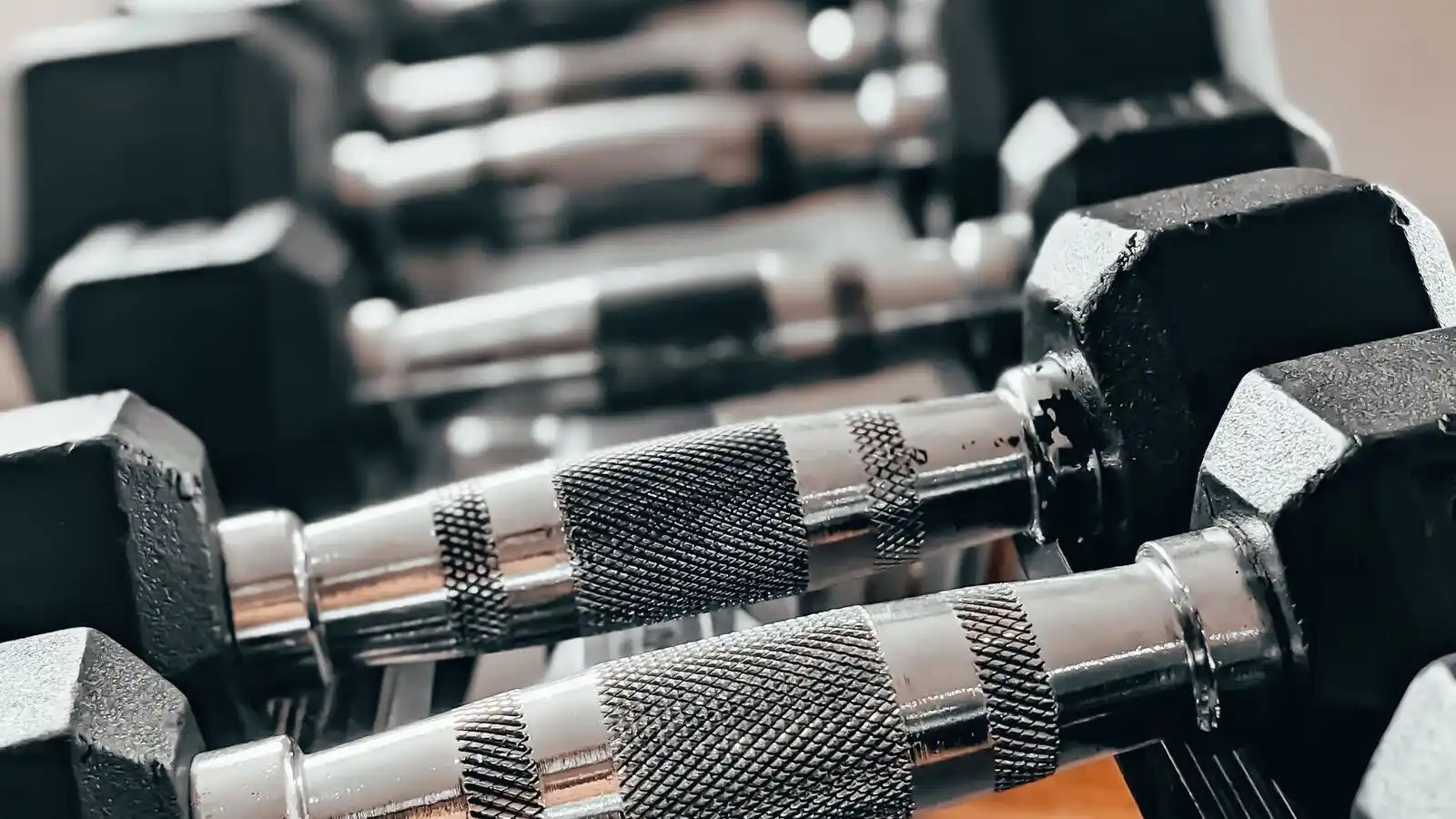
Rail Spacing Is the Spec Nobody Checks
Dumbbell heads are not a standard size. Rubber hex heads, urethane rounds, and 10-sided urethane heads all sit differently, and 80 lb heads are much wider than 10 lb heads. If the rack’s rail spacing is fixed at one width, your set will either rattle or not fit.
What to ask for:
- Adjustable rail spacing, roughly 4–5 in between rails. That range covers most hex and urethane heads sold today.
- Reversible rail orientation. A lip-up rail cradles round heads; a flat rail suits flat-sided hex heads. Being able to flip the rail 180° costs the factory almost nothing and saves you a bad fit.
- Bolted rails with vertical bolts, not horizontal. Vertical bolts mean the shelf load pushes down through the bolt rather than hanging off its threads. It is a small detail and it is the difference between a rack that lasts ten years and one that loosens.
- Cradle depth of at least 1 in. Dumbbells get dropped onto racks. Shallow cradles let them roll off.
Measure three dumbbells from your existing set — the lightest pair, the middle, and the heaviest — before you approve a sample. A 30-second measurement prevents a container of unusable racks.
Steel, Welds, and Finish
- 11 gauge is the commercial standard for rack frames. 14 gauge racks exist and are fine for a home gym with a 5–50 lb set. They are not fine for a 24-hour facility.
- Fully welded frames hold up better than flat-pack bolted frames. A bolted three-tier rack has 12+ joints that all move slightly under load, and every one of them is a rattle waiting to happen. Welded is heavier to ship and worth it.
- Powder coat, two-stage minimum. Racks live near chalk, sweat, and dropped plates. Single-coat finishes chip at the weld line within a year or two on a busy floor.
- Rubber or UHMW feet. Bare steel feet grind through rubber flooring. Ask for replaceable feet, because they wear out long before the frame does.
- No sharp exposed bolt ends at knee height. Sounds obvious. Walk around a cheap rack in a real gym and count the shins.
Where It Goes on the Floor
A packed rack needs room to be used. Plan for 36 in of clear space in front of the rack so a member can step back with a pair at their sides. Two rows of racks facing each other need roughly 6 ft between them, which is the same rule you would apply to any free weight station.
Put the rack next to the benches, not across the room. The single most common layout mistake we see in plans sent to us is a dumbbell rack at the far end of the strength zone, which is why dumbbells end up on the floor next to the benches anyway.
If floor space is tight, drop to a two-tier rack and add a second one along a different wall. Two short racks at right angles use less total floor than one long rack plus the aisle you need in front of it.
Typical Price Ranges
Factory-direct pricing, FOB China, approximate and dependent on steel prices and order size:
| Item | Typical FOB range (USD) |
|---|---|
| Two-tier rack, 47–60 in | 90–180 |
| Three-tier rack, 47–72 in | 140–280 |
| Three-tier rack, 90–95 in, heavy duty | 220–360 |
| Vertical tower rack | 60–120 |
| Wall-mounted single tier | 40–90 |
Branded equivalents in North America and Europe retail for two to four times these numbers. Racks are one of the simplest products in the category, so the brand premium buys you distribution and paperwork more than steel.
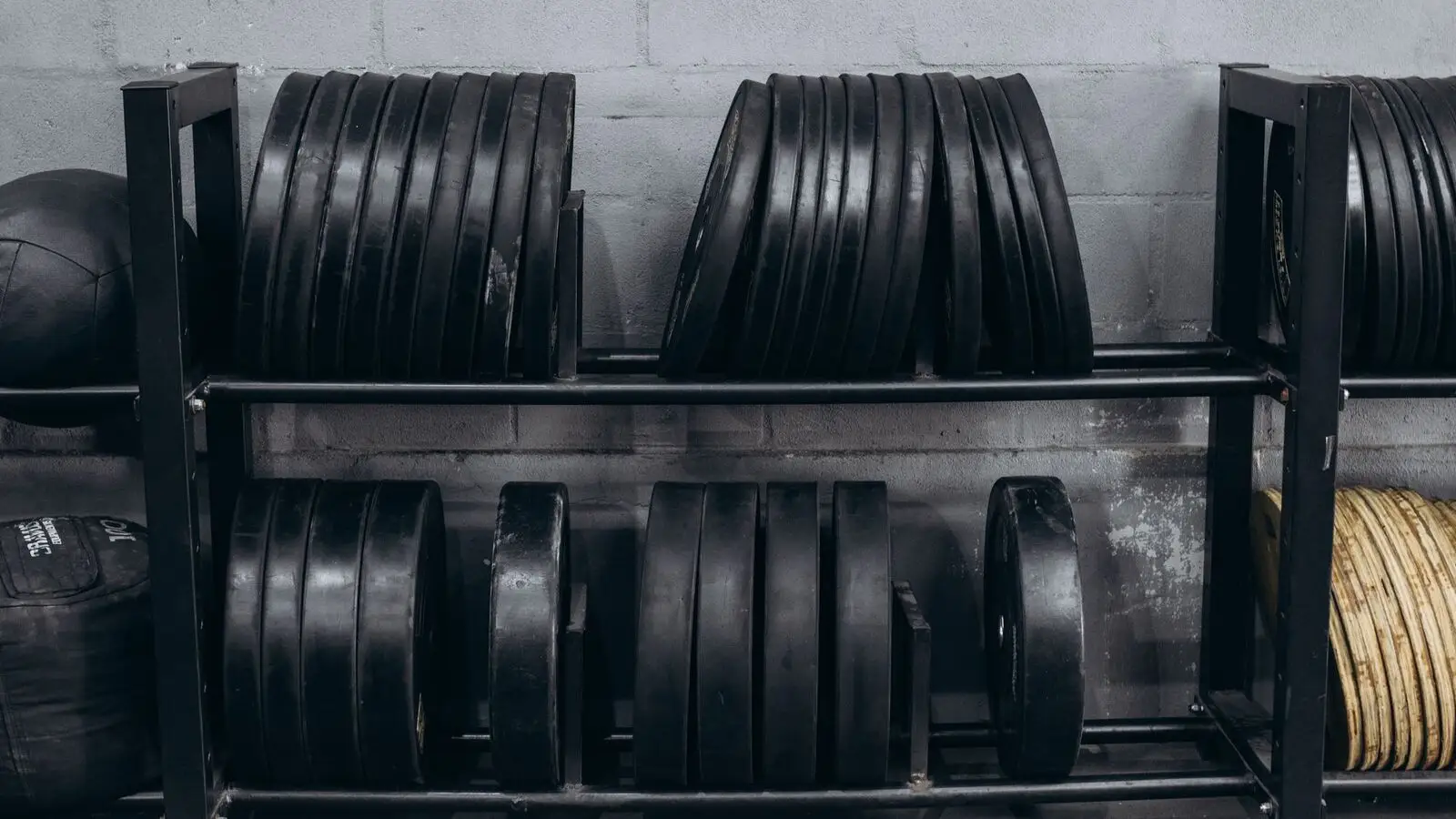
Accessories are worth adding to the same order because they ride free in the volume: plate trees, bumper plate storage, medicine ball racks, and mat trolleys all cube out before they weigh out.
Container Notes If You Are Importing
Racks ship knocked down or assembled depending on size. A 95 in three-tier rack does not fit efficiently in a container assembled, so most factories crate it in two or three pieces with the hardware bagged per unit.
- A 40HQ holds roughly 120–180 knocked-down racks depending on model, but you will hit the volume limit before the weight limit.
- Mixed containers work well here: racks are light and bulky, dumbbells and plates are heavy and compact. Load plates low and toward the nose, racks behind them.
- Ask for a hardware bag per rack, not one bag for the whole order. Assembly on site with a shared bag of bolts is how punch lists get long.
- Get the crated dimensions and gross weight per unit on the packing list. You will need them for the freight quote and for the receiving inspection.
Order Checklist
Before you sign a rack PO, get these in writing:
- Per-tier load rating in lb, not just a single total
- Rail spacing range in inches, and whether rails are reversible
- Frame steel gauge and whether the frame is fully welded or bolted
- Foot type and whether feet are replaceable
- Crated dimensions, gross weight, and units per container
- Hardware bagged per unit
- Finish warranty and a spare parts commitment of at least five years
- A photo of the actual welded joint, not a render
FAQ
How many pairs fit on a three-tier dumbbell rack? A 47–50 in three-tier rack typically holds 12–15 pairs; a 90–95 in heavy-duty unit holds 15–18. Actual count depends on head width, so check against your heaviest pair.
Can I put a 5–100 lb set on one rack? Sometimes, but not well. The 80–100 lb pairs are wide and heavy, and most racks rate the top tier lower than the bottom. Put the heaviest pairs on the bottom tier, or run two racks and keep 100 lb pairs on a floor-level rack or saddle stand.
Do I need a rack at all, or can dumbbells live on the floor? On the floor they get kicked, they block aisles, and members cannot find matching pairs. A rack is also a safety item: loose dumbbells on rubber flooring are a trip hazard and an insurance conversation.
Welded or bolted rack? Welded for anything commercial. Bolted flat-pack is fine for home use and for buyers shipping small quantities where freight volume matters more than rigidity.
How often do racks need replacing? The frame should outlast two dumbbell sets. Feet, rails, and powder coat are the wear items. Buy replaceable feet and you will get 10+ years out of a commercial rack.
Getting a Rack Quote That Matches Your Floor
Send us your dumbbell count, the weight range, and the wall length you have available, and we will come back with a rack configuration, the loaded weight per unit, and a container plan that puts the racks in with the dumbbells and benches you are already ordering.
Start with the gym equipment accessories range or the benches and racks range. If you are still working out how many dumbbells the floor actually needs, read our rack math guide first, then send the numbers to our team.