
DDP shipping for gym equipment looks like the simplest number in the whole purchase: one price, delivered to your door, nothing else to pay. In practice it is the number most buyers understand least, and the gap between what they think it includes and what it actually includes is where orders go wrong.
Here is the part suppliers rarely spell out. A DDP price is not a freight rate plus duty. It is a bundle of nine cost lines, a currency assumption, a customs classification decision, and a margin, compressed into a single figure. You can still buy DDP and be fine. But you should know which lines you are paying for, and which ones are quietly working against you.
What DDP Shipping for Gym Equipment Actually Covers
Under Incoterms 2020, Delivered Duty Paid means the seller delivers the goods cleared for import, ready for unloading, at the named destination. The seller handles export clearance, main carriage, import clearance, duties, and delivery. On paper, the buyer’s only job is to receive the goods.
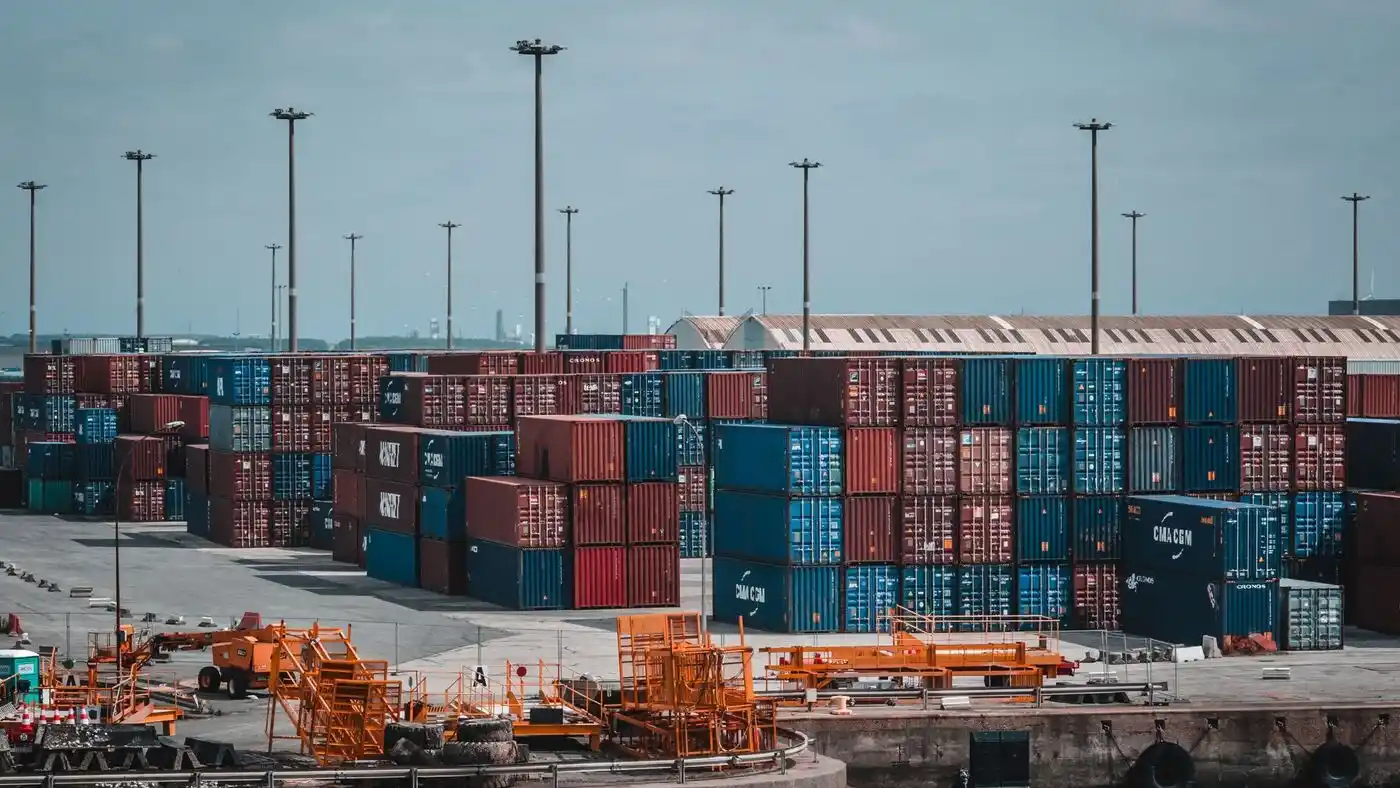
Three things DDP does not automatically include, no matter how the quote is worded:
- Unloading at your end unless it is written into the delivery scope
- Any inspection, testing, or certification your market requires beyond standard import clearance
- Anything that happens after the goods are at your disposal, including installation
And one thing it does include that many buyers do not want: the seller, or someone acting for the seller, becomes the importer of record. Hold that thought, because it drives most of what follows.
The Nine Lines Inside a Delivered Price
| Line | What it is | Typical share of a delivered container (approx) |
|---|---|---|
| Ex-works goods value | What the machines cost at the factory gate | 50–65% |
| Inland haulage in China | Factory to port | 1–3% |
| Export clearance and documents | Brokerage, CO, packing | under 1% |
| Ocean freight | Port to port, 40HQ | 10–20% |
| Marine insurance | Usually 0.3–0.6% of cargo value | under 1% |
| Import duty | Assessed on customs value | 0–25%+, market and HS dependent |
| Import VAT / GST | Sales tax at the border | 5–27%, market dependent |
| Clearance fees and port charges | Broker, THC, ISF, bond, exam risk | 1–4% |
| Final delivery | Port to your door, service level dependent | 2–8% |
| Margin | The provider’s cut for carrying all of the above | 3–10% |
Read that table again with one thing in mind: only two of those lines are fixed at the time you sign. The goods value, and the margin. Everything else moves, and under DDP the seller is the one exposed to that movement, which is precisely why the fixed number you are quoted is higher than the sum of the parts you would pay yourself.
Where the Money Hides
The customs value
Duty is assessed on the customs value of the goods, which in most markets is the transaction value adjusted to a delivery-at-port basis. It should not include international freight. If a DDP provider declares the full delivered price as the customs value, you are paying duty on freight and on their margin. On a 40HQ with a $60,000 goods value, that is not a rounding error.
Ask what value was declared. If the answer is vague, that is your answer.
The importer of record
Someone has to be named as importer on the entry. Under a true DDP arrangement it is the seller or their agent. That has consequences that do not show up until later:
- The customs record is not in your name, so you have no history with the authority
- Warranty and product liability paperwork can be awkward when you are not the legal importer
- If the entry is later audited for classification or valuation, you are not the party answering, but you are the party holding the goods
- Some markets require the importer to be a local entity. Third-party importer services exist and are legal in most places, but they are a commercial arrangement, not a substitute for being the importer
If your business plan involves importing regularly, being the importer of record is worth more than the convenience of DDP.
VAT and GST you could have reclaimed
This is the big one for European, UK, Australian, and Canadian buyers.
Import VAT or GST is normally recoverable if you are registered and the import entry is in your name. Under DDP, the seller pays it and buries it in the price. You cannot reclaim tax that was paid by someone else and never invoiced to you. For a VAT-registered buyer on a $60,000 machine order with 20% VAT, that is a five-figure sum sitting inside the DDP price with no way to recover it.
If you are VAT registered, DDP is usually the wrong structure. FOB or CIF plus your own broker costs more in admin and less in cash.
The delivery service level
“Delivered” covers a lot of ground. A DDP quote might mean the container is dropped at a dock in your city. It might mean liftgate to the kerb. It rarely means inside delivery, unpacking, and placement in the room you actually want the equipment in.
For gym equipment specifically, this matters more than for most cargo. Crates are heavy, consoles are fragile, and a treadmill box does not go up a flight of stairs with two people. Get the service level in writing: dock, liftgate, inside delivery, appointment window, and who is responsible for the crates afterwards.
Timing risk
DDP quotes have a validity window, usually 7–30 days. Ocean freight moves weekly. Duty rates move when trade policy moves. If the rate shifts between quote and clearance, someone eats it, and the contract should say who. In practice the seller eats it, which is why DDP quotes carry a buffer and why quotes get withdrawn when markets get volatile.
Ask: what happens if the duty rate changes before shipment, and what happens if the vessel is rolled.
FOB vs DDP: A Straight Comparison
| FOB | DDP | |
|---|---|---|
| Who books freight | You | Seller |
| Who is importer of record | You | Seller or their agent |
| Duty and VAT paid by | You, at import | Seller, embedded in price |
| VAT recoverable | Yes, if registered | Usually not |
| Price transparency | Every line visible | One number |
| Admin burden | Broker, bond, entry, delivery | Minimal |
| Cash flow | Pay duty and VAT at import, reclaim later | Pay everything up front |
| Best for | Regular importers, VAT-registered businesses | First orders, small buyers, non-registered buyers |
The pattern is simple. If you import more than once or twice a year and you are tax registered, FOB plus a customs broker will almost always cost less. If you are buying one container for a single site and you have no import setup, DDP buys you a real service.
A Worked Example
A $60,000 FOB order, one 40HQ, delivered to a mid-size city. Approximate, and it will move with freight markets:
| Line | FOB route (you arrange) | DDP quote (approx) |
|---|---|---|
| Goods, FOB China | 60,000 | included |
| Ocean freight | 4,500 | included |
| Insurance | 300 | included |
| Duty at, say, 3% of customs value | 1,800 | included |
| Import VAT at 20%, recoverable | 13,260 paid, reclaimed later | baked in, not recoverable |
| Clearance, bond, THC | 900 | included |
| Final delivery, liftgate | 700 | included |
| Margin | none | 4,000–7,000 |
| **Total cash out** | **about 81,460, of which 13,260 comes back** | **78,000–88,000, nothing comes back** |
On paper DDP looks close. Add back the VAT you cannot reclaim and the FOB route is thousands cheaper, and you own the customs record. Now run the same numbers with a 25% duty rate and the gap widens further, because DDP margin is calculated on a bigger base.
None of this makes DDP a scam. It makes it a product with a price, and the price is your importer standing.
Five Questions Before You Accept a DDP Number
- Who is named as importer of record on the entry, and can I see a sample entry from a previous shipment?
- What HS code and duty rate are embedded in this price?
- What customs value will be declared, and is international freight excluded from it?
- Is import VAT included, and will I receive a document I can use for a reclaim?
- What is the delivery service level at my address, and who pays if the vessel is rolled or the duty rate changes?
A supplier who can answer all five in writing is a supplier who has done this before. A supplier who answers two and changes the subject is quoting you a number they do not control.
FAQ
Is DDP always more expensive than FOB? No. For small orders, one-off purchases, and buyers with no import setup, DDP can be cheaper once you count broker fees, bond, and your own time. The break-even is usually around regular multi-container importing.
Can I get DDP and still be the importer of record? Not under the strict definition. Some suppliers offer “DDP with your IOR”, which is really DAP plus a duty estimate. It is a workable arrangement, but call it what it is and make sure the duty true-up is written into the contract.
My supplier’s DDP quote is lower than my own freight quote. How? Usually one of three reasons: a slower service, a consolidated container where your cargo shares space, or a lighter declared value. The third one is the one that creates problems at audit.
Does DDP cover the container being inspected at customs? Usually yes for the fee, but not for the delay. Exams add days and sometimes demurrage. Ask who pays storage if the container sits.
What about spare parts shipped later? Small parts usually go air or courier and DDP is genuinely convenient there. Keep the same HS classification discipline, because spare parts often classify differently from complete machines.
Getting a Number You Can Compare
We quote both ways: FOB with a full packing list and CBM per line so you can price your own freight, or delivered terms through a forwarder we work with. We will tell you which one is likely cheaper for your situation, including the case where it is not us.
Send your equipment list and delivery address to our export team, or start from the cardio range and strength range pages. If you want the full cost picture before you compare quotes, our landed cost guide walks through every line from factory gate to installed machine.