
Gym Equipment Insurance: What Underwriters Ask Before They’ll Cover Your Floor
Gym equipment insurance is less about the machines than about the paperwork behind them. Underwriters rarely send anyone to look at your treadmills. They ask for a valued asset schedule with serial numbers, evidence of what it would cost to replace the kit installed, certification for the equipment you bought, electrical listing for anything with a motor, proof of who installed it, and a maintenance record you can actually produce on request. Get those six things organised before you go shopping for a policy and the quote gets simpler, cheaper, and less likely to come with an exclusion buried on page nine.
This is written from the manufacturing side. We quote gym fit-outs every week, and the questions buyers ask us about insurance are usually the wrong ones. They ask whether our equipment is “insured” or “certified” in some blanket sense. What their broker actually needs is a document set, and most factories can supply it if you ask at the purchase order stage rather than three years later.
Why gym equipment insurance is hard to place
A commercial gym concentrates a lot of value in one room and puts it in the hands of people who are trying to exhaust themselves. That combination drives claims in a few predictable directions:
- Electrical and motor failure on cardio. Treadmills and ellipticals run for thousands of hours, sit on circuits that were specified for a shop fit-out, and live in rooms where humidity swings.
- Impact damage to structural parts. Dropped dumbbells on machine shrouds, plates through the side of a plate-loaded station, a barbell dropped on a deck.
- Upholstery and pad destruction. Not dramatic, just relentless. Replacement pad sets on a 20-station floor add up to real money over five years.
- Theft and vandalism, mostly at 24-hour and unmanned sites where nobody is watching the free-weight corner at 2 am.
- Water and fire damage, which in a gym usually means the whole floor is written off rather than repaired.
Insurers price against that pattern, but they can only price what they can verify. Every gap in your documentation gets resolved in their favour, either as a higher premium, a higher deductible, a sub-limit, or a straight exclusion.
The six things they actually ask for
| What they ask for | What it proves to them | Who has to supply it |
|---|---|---|
| Valued asset schedule, serial by serial | You know what you own and what it costs to replace | You, built from invoices and nameplate photos |
| Replacement cost evidence | Your declared value is not a guess | Factory quote or current list price for the same model |
| Product certification and test reports | The equipment was built to a recognised standard | Manufacturer (EN 957 / ISO 20957 reports, electrical listing) |
| Electrical compliance for motorised kit | The cardio is not a fire risk | Manufacturer plus your electrician |
| Installation record and floor loading calculation | The floor is not going to fail under load | Installer and structural engineer |
| Maintenance log with dates and parts | You have not been running the floor into the ground | You, from day one |
Nothing on that list is exotic. The problem is that most of it is generated at moments you are least interested in paperwork: at purchase, at installation, and during the first year of operation.
Replacement value, not purchase value
This is where most gyms get caught. The number your broker wants is the cost to put the same capability back on the floor tomorrow, delivered and installed. That is not the number on your purchase order.
Take a 40HQ container of mixed strength equipment that lands with a $60,000 invoice value. Add freight, duty, clearance, inland delivery, uncrating, assembly, and the labour to get 30 stations positioned and calibrated. The installed replacement figure is typically 15 to 30 percent above the goods value, and higher again if you bought through a dealer who has since changed pricing.
If you declare the invoice value and the policy contains a coinsurance clause, a total loss does not pay what you expect. Insure 70 percent of the true replacement cost and the claim is adjusted to roughly 70 percent of the loss, minus the deductible. On a $100,000 floor that is a five-figure surprise at the worst possible moment.
Practical fix: build the schedule as installed cost, and ask your manufacturer for a current replacement quote on the same model list every year. Keep the quote. It is the single most useful document in a claim.
Certification: what the factory should hand over
There is a lot of loose language in this trade about “certified” equipment. What an underwriter or a corporate client’s risk team will want to see is narrower.
Structural standards. Stationary training equipment is covered by EN 957 in Europe and ISO 20957 internationally, which are technically equivalent. The use class is the part that matters:
| Class | Meaning | Typical buyer |
|---|---|---|
| H | Home use | Domestic buyers, light duty |
| S | Studio / light commercial | Small studios, hotels, apartments |
| I | Institutional / full commercial | Gyms, schools, 24-hour sites |
A treadmill rated class H in a 24-hour gym is a warranty argument waiting to happen, and insurers read the marking. If your floor is class I, the plate on the machine should say so.
Test reports, not just a certificate. Ask for the actual load test report with the model number and batch on it, plus a declaration of conformity. A one-page “CE certificate” that names no model and no test house is decoration.
Electrical listing. Motorised cardio carries the real electrical risk. In North America that generally means UL 1647 (motor-operated exercise machines) or an equivalent ETL listing on the electrical assembly. In Europe, electrical safety is assessed against EN 60335 series requirements, with EMC compliance for the drive and any wireless module. A treadmill with a non-listed control board is the kind of detail that turns a fire claim into a negotiation.
Worth knowing: if you buy direct from a Chinese factory, all of this exists, but you have to request it. Vendors who export to Europe and North America generate these documents as a matter of course. Ask for them at PO stage and file them by serial number, because that is the format a loss adjuster works in.
Electrical and fire: where cardio fleets get expensive
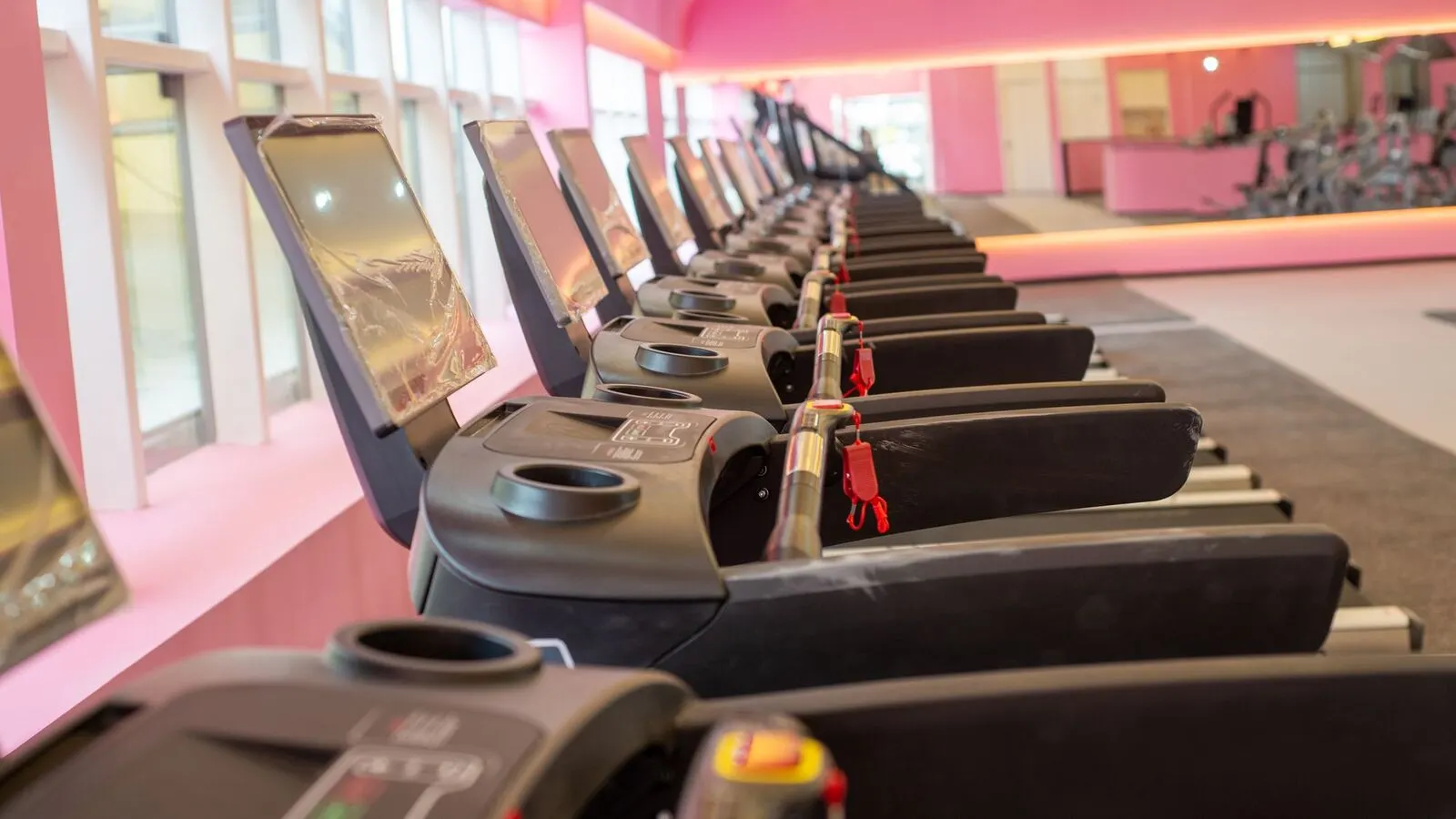
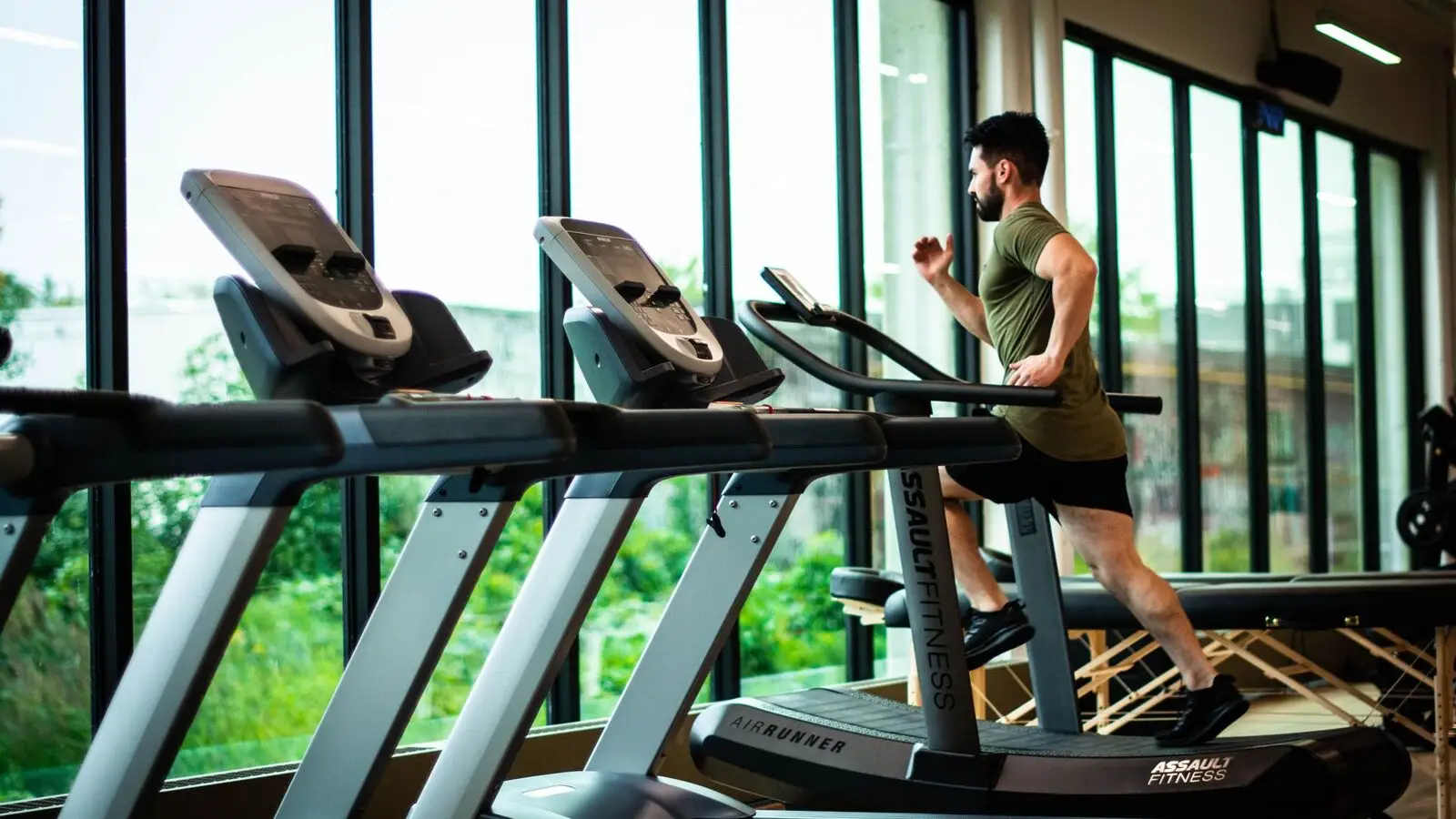
A cardio row of twelve treadmills draws serious current, and it draws it in a room that often has no dedicated ventilation. The failure modes are boring and consistent: undersized circuits, shared outlets with cleaning equipment, daisy-chained extension leads, dust-clogged motor compartments, and belts running tight enough to cook a motor.
Three things reduce both the risk and the argument after a loss:
- Dedicated circuits with proper protection. One circuit per two to three treadmills, RCD/GFCI protection, and an earth leakage check at commissioning. Get the electrician to sign a commissioning sheet.
- Surge protection at the panel. Motor controllers die from voltage events, and a dead board is often excluded as “electrical fault” unless you can show the installation was sound.
- Motor compartment cleaning on a schedule. This is a documented maintenance item, not housekeeping. If your log shows quarterly cleaning and a fire still happens, that is a very different conversation.
If your gym is in a hotel with a pool, or anywhere with slab moisture and humidity, read the water ingress exclusions carefully. Cardio placed near a wet area is a common exclusion trigger.
Floor loading: the question nobody asks until the engineer does
Upper-floor gyms are where this bites. A selectorized station weighs 150 to 250 kg concentrated on four feet. A plate-loaded leg press with a full stack of plates can pass 500 kg. A 200 kg barbell dropped from waist height is a dynamic load many times its static weight.
Two separate numbers matter:
- Static load in kN/m², compared against the slab’s design capacity.
- Dynamic or impact load, which is what actually cracks slabs and is what a structural engineer will ask about if you are above ground level.
If you lease, the landlord’s structural engineer will want a layout showing equipment positions and point loads. Insurers increasingly ask for the same thing before covering upper-floor installations. Order it before the equipment lands, not after, because a post-hoc calculation usually means moving machines.
This is also the reason a proper lifting platform is not a luxury item. It spreads a dropped barbell over a couple of square metres of plywood and rubber instead of a few square centimetres of slab edge.
Maintenance records: the cheapest insurance you will ever produce
Every policy has a condition about reasonable care. In practice that means: when something fails, was it maintained?
A defensible record is simple and specific. Per machine, per serial number: date, what was checked, what was replaced, who did it. Belt tension and tracking on cardio. Cable and pulley inspection on cable stations. Frame bolt torque after the first month and then annually. Pad condition. Guide rod lubrication. Selector pin and bushing wear.
Two years of that log turns a “wear and tear” denial into a paid claim, because you can show the failure was not neglect. It also gives you something to hand a loss adjuster, which shortens the whole process.
If you run multiple sites, keep the format identical across all of them. Insurers and corporate clients both like standardisation, and it makes fleet-level parts planning far easier.
What to ask your manufacturer, in writing
At quotation stage, ask for this as a documentation pack. A serious factory will not blink.
- EN 957 / ISO 20957 test report and declaration of conformity, per model
- Use class marking (H / S / I) stated on the spec sheet
- Electrical listing documentation for each cardio model (UL 1647 / ETL, or EN 60335 assessment)
- Maximum user weight and static load rating, per model
- Recommended service intervals and the wear parts list with part numbers
- Exploded parts diagrams and a priced spare parts list
- Packing list with CBM and gross weight per carton
- Named contact for warranty and parts for the next seven to ten years
That last point matters more than buyers expect. A policy claim for a 2029 failure on a 2021 machine depends on a part still existing. Factories that have been in export for two decades usually keep parts for seven to ten years after a model is discontinued. Ask the question directly: how long will you support this model, and what happens if you stop?
Pre-cover checklist
Run this before you send anything to a broker.
- Asset schedule built from serial numbers, not model names
- Replacement value per item at installed cost, with a current factory quote attached
- Photos of every machine, including nameplates
- Certification pack filed by model and batch
- Electrical commissioning sheet signed by a licensed electrician
- Structural engineer’s letter for any floor above ground level
- Written installation record naming who assembled and calibrated what
- Maintenance log started, even if the gym opened last month
- Transit insurance checked on the inbound container, separate from property cover
- Clear answer on whether equipment breakdown is included or excluded
FAQ
Is gym equipment covered by my general property policy, or do I need something separate?
Usually it is covered as business contents under commercial property, subject to a limit and to whether the equipment is scheduled. The gap tends to appear in two places: equipment breakdown (mechanical or electrical failure without an external cause) and equipment taken off-site. If you run outdoor sessions, bootcamps or a mobile setup, confirm the off-premises extension in writing.
What does equipment breakdown coverage actually cover?
Mechanical or electrical failure that is not caused by an external event: a motor controller board dying, a drive belt snapping and taking a pulley with it, a resistance unit failing. It is the coverage that pays for the boring failures your property policy excludes as wear and tear. On a cardio-heavy floor it is usually worth pricing.
Will a policy cover equipment I imported directly from a Chinese factory?
Yes, and the origin is not the issue. The documentation is. You will be asked for certification, electrical listing and an invoice trail that matches the serial numbers on the floor. Buyers who import direct sometimes cannot produce those, which is why buying factory-direct with a documentation pack attached is easier to insure than buying grey-market containers with no paper.
Can I insure second-hand or refurbished equipment?
Yes, but expect an actual cash value basis rather than replacement cost unless you can document a refurbishment. Keep the purchase invoice and any reconditioning records, including replaced cables, pads and bearings. Undocumented second-hand equipment is where underinsurance disputes get ugly.
What happens if I cannot produce load test certificates?
Nothing dramatic at inception, and something painful at claim time. The insurer either excludes the uncertified models, applies a higher deductible to them, or argues the equipment did not meet the standard it was represented as meeting. If a factory cannot produce a report for a model they are selling you as commercial grade, treat that as information about the factory.
Does a lifting platform or extra flooring reduce my premium?
Rarely directly, occasionally indirectly. What it does is reduce the frequency of floor and machine damage claims, and it answers the structural question an underwriter asks about upper-floor gyms. Cheap risk controls that prevent claims are worth more than premium discounts that may never materialise.
Getting the paperwork right at the source
Most insurance problems for gym owners start with a purchase decision, not a policy decision. Equipment bought without certification, installed without a record, and maintained without a log is expensive to insure because it is expensive to prove.
We build commercial cardio and strength equipment for gyms, hotels, schools and distributors, and every order ships with the documentation set described above: test reports, use class marking, load ratings, wear parts list with part numbers, and a named parts contact. If your broker is asking for something you do not have, start with our factory capabilities or send the spec list to our team and we will tell you what can be documented and what cannot. For the product side, the commercial treadmill range and selectorized strength machines are the two categories insurers ask about most.