
Gym Equipment Import Duty by Country: What US, EU, UK and Australian Buyers Actually Pay
Gym equipment import duty is lower than most first-time importers expect. Under HS code 9506.91 — the heading that covers treadmills, exercise bikes, ellipticals, rowers and most strength machines — the published MFN rate is 4.6% into the United States, 2.7% into the European Union, 2% into the UK, and typically 0–5% into Australia and Canada.
The number that sinks budgets is not the duty rate. It is everything stacked on top of it: additional trade measures on Chinese-origin goods, import VAT or GST paid at the border, port and brokerage fees, and the fact that duty is a permanent cost while VAT is usually recoverable. A buyer who budgets “5% duty” and stops there is off by 15 to 30 percentage points on the real tax line.
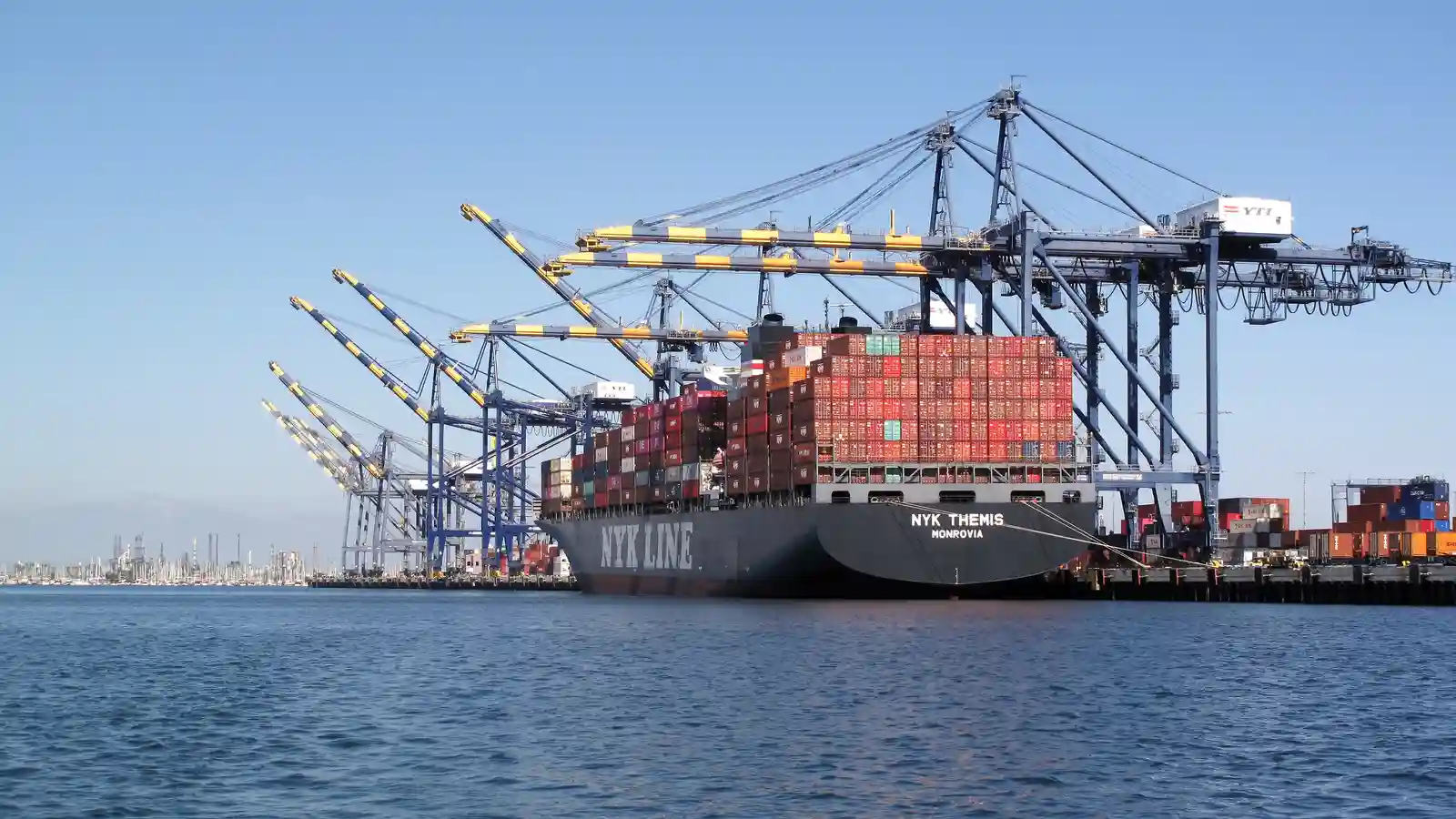
MFN duty rates for gym equipment, market by market
These are the base tariff rates for exercise equipment classified under 9506.91, checked against published US, EU and UK schedules in late 2026. Your exact line item may differ, and rates change, so treat this as a planning baseline and confirm with a customs broker before you quote a customer.
| Market | Typical classification | Base duty (MFN) | What else applies | Consumption tax at import |
|---|---|---|---|---|
| United States | HTS 9506.91.00 | 4.6% | Section 301 duties on China-origin goods; MPF ~0.3464%; HMF 0.125% on ocean freight | None federally; state sales tax on resale |
| European Union | CN 9506 91 00 | 2.7% | Anti-dumping not currently applied to this heading, but product safety rules do | Import VAT 19–25% depending on member state |
| United Kingdom | UKGT 9506 91 00 | 2% | Separate from EU schedule since Brexit | Import VAT 20% |
| Australia | 9506.91.00 | Generally 0–5% | Biosecurity checks on wood packaging | GST 10% |
| Canada | 9506.91.00 | 0–6.5% | Depends on the exact tariff item | GST 5% or HST 13–15% |
| New Zealand | 9506.91.00 | 0–5% | Biosecurity is strict on timber crates | GST 15% |
Two rows in that table matter more than the rest.
The US line is the one that bites. The 4.6% MFN rate is real, but since 2019 most Chinese-made fitness equipment has also carried Section 301 duties, typically 25%, and additional tariff actions have been layered on and adjusted repeatedly since. The stack is not stable enough to memorise. Ask your broker for the current total for your specific HTS line before you price a container, and ask again before the next one.
VAT and GST are not costs, if you are registered. An established gym operator buying equipment for business use recovers import VAT in full, usually within one to three months. A startup that is not yet VAT-registered eats it. This single detail changes the ranking of “cheapest country to import into” more than the duty rate does.
A worked example: one $60,000 container, four destinations
Take a 40ft high cube with a mixed load of cardio and selectorized strength, invoiced at $60,000 FOB Ningbo. Freight, insurance and local charges vary by lane, so the totals below use typical mid-range figures to show the shape of the problem rather than a quotable price.
| Cost line | Los Angeles | Rotterdam | Felixstowe | Sydney |
|---|---|---|---|---|
| Goods (FOB) | $60,000 | $60,000 | $60,000 | $60,000 |
| Ocean freight + insurance | $4,200 | $3,400 | $3,600 | $2,600 |
| Base duty | $2,760 (4.6%) | $1,715 (2.7% on CIF) | $1,276 (2% on CIF) | ~$135 (0–5%) |
| Additional trade measures (China origin) | $15,000+ (varies) | None currently | None currently | None |
| Port, THC, broker, delivery | $1,600 | $1,300 | $1,400 | $1,500 |
| Import VAT / GST at border | $0 | $13,000 (21%, recoverable) | $13,000 (20%, recoverable) | $6,400 (10%, recoverable) |
| **Cash out at the border** | **~$23,600** | **~$17,400** | **~$16,300** | **~$10,600** |
| **Permanent cost** | **~$18,600 (31%)** | **~$3,000 (5%)** | **~$2,700 (4.5%)** | **~$1,600 (2.7%)** |
Read the bottom row, not the top. For a US buyer the tariff stack can add 25 to 35% to the goods value before a single machine is assembled. For an EU or UK buyer the duty is almost noise and the real question is cash flow, because the VAT bill arrives with the container and comes back months later.
This is also why a Chinese factory quote and a European dealer quote are not comparable. The dealer is not only marking up hardware; they are importing in bulk, absorbing the duty, financing the VAT, and carrying stock. When the duty differential between markets is this large, “should we buy factory-direct” has a different answer in Rotterdam than in Los Angeles.
Where classification does more damage than the rate
Duty is set by the HS code, and the HS code is where money leaks out quietly.
Weights are the classic case. Dumbbells, barbell plates and kettlebells are sometimes entered under 9506.91 and sometimes under chapter 73 as articles of iron or steel, where rates and anti-dumping exposure differ. Two importers can bring in identical cast iron plates and pay different amounts depending on how the broker classified them. Get a written classification decision on your first shipment and keep it on file.
Parts do not follow the machine. A treadmill motor is classified as a motor, not as gym equipment. Running belts sit under a textile conveyor belt heading. This matters when you import a spare parts box alongside a container of machines: the box can carry a different rate, and under some regimes a different documentation burden. Declare it as its own line, with its own value.
Mixed containers need honest line items. A single container might hold treadmills, spin bikes, a leg press, dumbbells and rubber flooring. That is at least three or four tariff lines. An invoice that describes the whole load as “gym equipment” invites either an exam or an assessment at the highest rate in the container.
Consoles and screens are ancillary, not separate. Touchscreens and connectivity modules built into a treadmill stay with the machine. Screens shipped loose as separate units may not.
The details buyers get wrong in each market
United States
Beyond the tariff stack, budget for the Merchandise Processing Fee (roughly 0.3464% of value, with annual floor and ceiling) and the Harbor Maintenance Fee (0.125%) if the cargo moves by ocean. Both are small but they show up on the entry summary. Also file ISF 10+2 at least 24 hours before loading, or you inherit a $5,000 penalty per violation that no forwarder will absorb for you.
European Union
Duty is charged on the CIF value, so freight is taxed too. Import VAT is charged on CIF plus duty. The compliance item most Chinese suppliers still fumble is the EU General Product Safety Regulation, which requires a responsible economic operator established in the EU to be named on the product or packaging. If your supplier cannot put a name and address on the label, your shipment can be stopped at the border regardless of how correct the duty is.
United Kingdom
The UK runs its own schedule and its own VAT. Post-Brexit, goods that land in the UK and then move to the EU need export and re-import handling, and a UK EORI is separate from an EU EORI. Buyers who used to clear everything in Felixstowe and truck it to Germany now need two customs processes and two sets of paperwork.
Australia and New Zealand
Duty is often nil or low, but biosecurity is where shipments get stuck. Timber crates and pallets need ISPM 15 treatment with visible stamps, and quarantine officers can order fumigation or reject the packaging outright. Gym equipment crated on untreated pine is a recurring and entirely avoidable delay.
Canada
Rates vary by tariff item and the tax depends on province: 5% GST in Alberta, 13% HST in Ontario, 15% in the Maritimes. A quote that uses one national number is wrong for most of the country.
Incoterms decide who actually pays
Under FOB, you are the importer of record, you pay duty and VAT, you hold the customs entry, and you can reclaim the VAT. Under DDP, the seller nominally handles everything, which sounds easier until you realise you have no import entry in your own name, no VAT recovery, and no visibility into how the value was declared.
| Term | Who pays duty | Who is importer of record | VAT recoverable by you | Risk |
|---|---|---|---|---|
| EXW | You | You | Yes | You arrange everything from the factory gate |
| FOB | You | You | Yes | You arrange freight and clearance |
| CIF | You | You | Yes | Seller arranges freight, you still clear |
| DDP | Seller (passed into price) | Often the seller’s agent | Usually not | Duty is hidden in the unit price; entry not in your name |
For a gym fit-out, FOB or CIF with your own broker is normally the better structure, because you want the entry in your name and the VAT back. DDP is defensible for small accessory orders where the admin cost outweighs the VAT recovery, and questionable for a $100,000 container.
A word of warning before you sign: if a supplier offers a DDP price that is dramatically below the duty you calculate yourself, the difference is coming from an under-declared value, not from efficiency. The importer of record carries the liability, and in most jurisdictions that liability follows the goods owner, not the factory.
What to ask before you approve the quote
- The exact 10-digit or 8-digit tariff code for each product line in the container, in writing.
- Whether any additional trade measures apply to goods of Chinese origin in your market, and the current total rate.
- The declared value basis — FOB, CIF, or delivered — and whether freight and insurance are included in the customs value.
- Which entity is the importer of record, and in whose name the customs entry will be filed.
- Whether the supplier can label the product with an EU or UK responsible economic operator if required.
- Package treatment certificates for all timber: ISPM 15 stamps photographed before loading.
- A packing list with CBM, gross weight and value per line, not one lump sum.
- Whether spare parts are invoiced as separate line items under their own codes.
- Who files ISF or ENS, and by when.
- A sample commercial invoice and packing list to review before the deposit, not after production.
Frequently asked questions
Is gym equipment duty free anywhere? Not genuinely free, but close in some markets. Australia, New Zealand and Canada have low or nil duty on many 9506.91 items, and the EU and UK sit at 2–2.7%. The US base rate is 4.6%, but Chinese-origin goods also carry Section 301 duties that push the effective rate far higher. “Duty free” claims usually ignore the consumption tax charged at the border.
What is the HS code for a treadmill or exercise bike? Both are 9506.91 in the US, EU, UK, Australia and Canada. Motorised and manual treadmills share the code, as do folding and non-folding models, and consoles with screens do not change it. Spare motors and belts are classified separately.
Can I reduce duty by declaring a lower value? That is fraud, and it is the fastest way to lose a container and your import privileges. The legitimate levers are correct classification, first-sale valuation where your market allows it, duty drawback on re-exports, bonded warehousing or free trade zones for deferred payment, and choosing a market where the tariff burden is lower.
Who pays import duty under DDP? Nominally the seller, in practice you, because the duty is baked into the price you already paid. The practical downside is that the customs entry is in someone else’s name, so you cannot reclaim VAT and you cannot prove the declared value if customs audits later.
Do I pay duty on spare parts shipped with the machines? Usually yes, and often at a different rate than the machines, because parts fall under their own headings. Declare them as separate invoice lines with their own value. Importing a $3,000 spares box “for free” inside a container is a valuation problem waiting to be found.
Which market is cheapest to import gym equipment into? On permanent cost, the EU, UK, Australia and Canada are all within a few points of each other once duty is applied, and all are far below the US stack for Chinese-origin goods. On cash flow, the US is easiest because there is no import VAT to fund, which is why US buyers often underestimate the total and EU buyers often overestimate it.
Getting the numbers right before you order
If you are building a budget from a factory quote, ask us for the FOB value, the CBM and gross weight per unit, and a packing list broken out by product line. Those three documents, plus a broker quote for your own port, get you to a real landed cost in about a day. Our sales team works with importers in the US, EU, UK, Australia and Canada every week and can tell you which of our models ship most efficiently into your market. Browse the cardio series and strength lineup, or send us your destination port and target budget and we will build the load plan around it.