
Gym Equipment Freight Damage Claims: How to Inspect, Document, and Get Paid
Every gym equipment freight damage claim is won or lost in the first twenty minutes after the truck arrives. Inspect the shipment before you sign the delivery receipt: every visible dent, torn carton and missing pallet goes on the paperwork at that moment, photographed, with the driver’s copy marked. Once you sign clean, the carrier’s liability for visible damage is usually gone, and you’re left arguing with the factory over something the factory may not have caused.
That’s the whole playbook in one paragraph. What follows is the version that survives contact with a real delivery: what to look for, what to write, who pays, and how to keep the problem from eating your opening date.
Why gym equipment gets damaged more than most freight
Gym equipment is an awkward cargo. A selectorized machine is a heavy steel frame with a fragile console mast bolted to the top and a plastic shroud around the stack. Racks are long and top-heavy. Plate pallets weigh a tonne and shift inside a container when a truck brakes hard. Treadmills travel with decks that don’t like being dropped on a liftgate.
Then the shipment changes hands. A container from China moves to a port, a rail yard, a transload warehouse, a regional terminal, a local terminal, and finally a box truck with a liftgate and a driver who has twenty minutes. Each transfer is a chance for a fork tine to find a shroud panel.
None of this is unusual, and none of it means your supplier is careless. It means inspecting is your job, and the process has a clock on it.
The dock inspection: 30 minutes that decides the claim
Do this before the driver leaves. Not after lunch, not once the crew is free.
- Count first. Match pallet and carton count against the packing list before you touch anything. Shortages are cheaper to prove at the dock than a week later.
- Walk the perimeter of every crate. Check corners, banding, and the bottom layer. Crushed corners are where frame damage hides.
- Look for impact marks on the outside of the packaging, and photograph each one with the shipping label visible in the same frame.
- Note it on the delivery receipt in plain words: “2 cartons crushed, corner damage to crate 4, possible frame damage, contents not yet inspected.” Write it even when you’re not sure yet.
- Have the driver sign your copy of the notation, and photograph the signed receipt.
- Refuse only what is clearly destroyed. Refusing an entire shipment over one damaged crate creates a storage and redelivery bill you will pay. Accept, note, then claim.
- Get the driver’s name and the PRO/tracking number before they pull away.
What to write on the receipt, in order of usefulness:
| Notation | Why it matters |
|---|---|
| “Damage noted, contents not inspected” | Preserves a concealed damage claim without forcing you to unpack on the dock |
| “Carton count short by 1 against packing list” | Starts a shortage claim with a documented count |
| “Crate corner crushed, impact visible, photo taken” | Establishes visible damage the carrier can’t dispute later |
| “Driver declined to wait for inspection” | Documents the carrier’s own failure to allow inspection |
Avoid “subject to inspection” as your only note. It’s vague, and claims agents read vague notations as an attempt to claim anything later.
The photo protocol
Claims are decided on evidence, and evidence means photographs with context. Take twelve shots per damaged item and you’ll never wish you had more:
- The pallet or crate as it landed, wide shot, before any unpacking
- The shipping label, readable, in focus
- Each side of the carton, four shots, no cropping
- The damaged area close up, plus a second shot with a tape measure or your hand for scale
- The banding or strapping, showing whether it was cut, broken or intact
- The item pulled out of the crate, damage visible in place on the machine
- The serial number or model plate
- The packing list with the line item circled
- The delivery receipt with your notation and the driver’s signature
- The interior packaging: foam, corner blocks, and whether it was crushed or missing
- The truck or liftgate, if the damage happened during unloading
- A timestamp-visible photo of the whole shipment staged in your space
Back the photos up off your phone the same day. Claim portals time out, and phones get dropped.
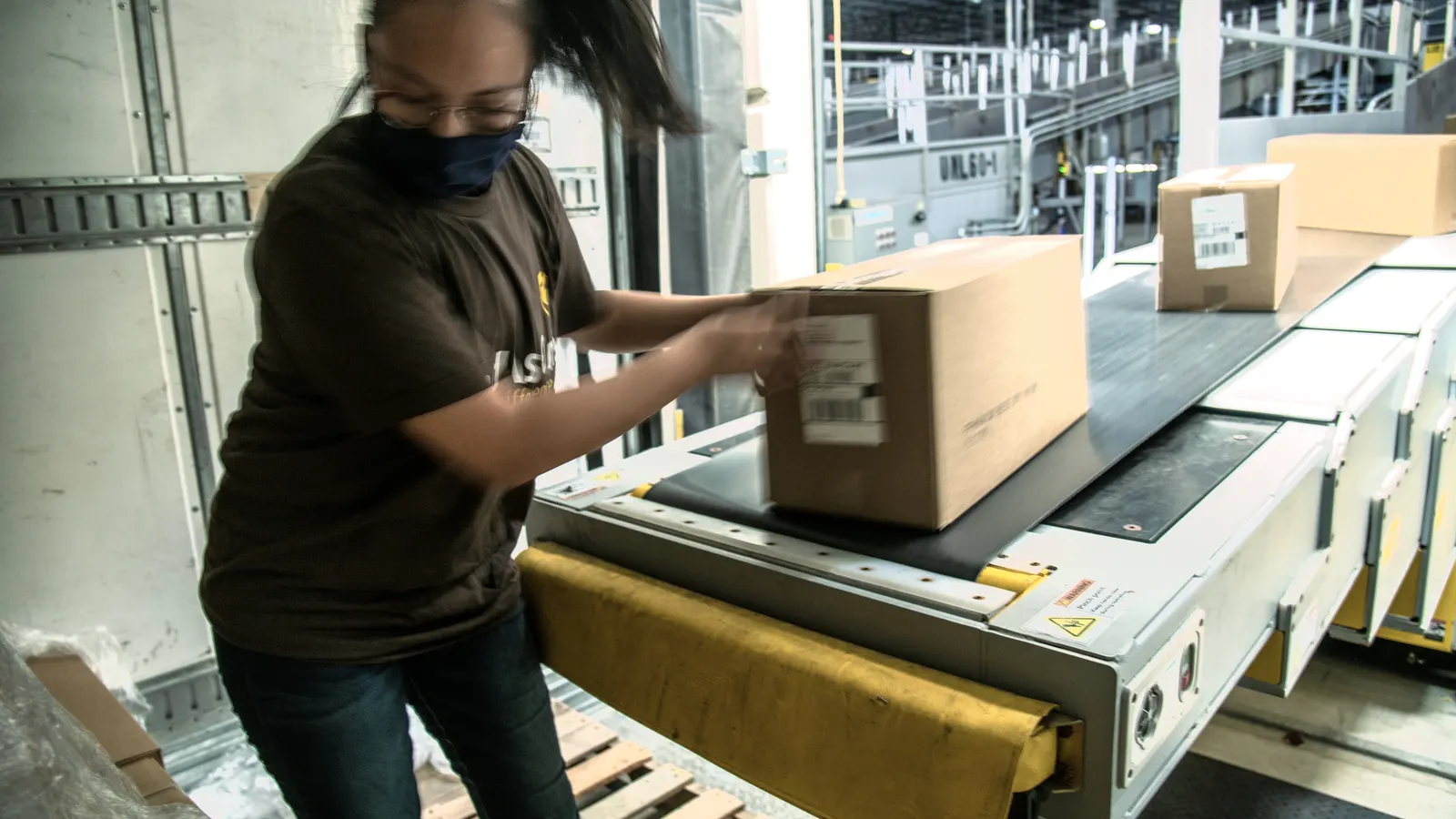
Visible damage vs concealed damage: two different clocks
This is where most importers lose money. Carriers treat damage you could see at delivery differently from damage discovered after unpacking, and the reporting windows are much shorter for the second kind.
| Claim type | Typical reporting window | Evidence needed | Who usually pays |
|---|---|---|---|
| Visible damage | Noted at delivery, claim filed within the carrier’s stated period | Notated receipt, photos, invoice | Carrier, up to tariff liability limit |
| Concealed damage | Commonly 24-72 hours after delivery (check the carrier tariff; some allow 5-15 days) | Photos, unpacking timeline, original packaging retained | Carrier, contested more often |
| Shortage | 24 hours to a few days, plus packing list | Count record, packing list, dock photos | Carrier if sealed and short; factory if packing error |
| Factory defect | Warranty period, often 1-5 years depending on part | Photos, serial number, service report | Factory, under warranty terms |
| Cosmetic transit marks | Same as visible damage | Photos | Often settled with touch-up paint |
Check the actual numbers in three places before you rely on them: the carrier’s tariff, your sales contract, and the cargo insurance policy. Windows quoted in blog posts, including this one, are typical rather than universal.
Cargo insurance is not the same as carrier liability
Carrier liability is capped. Standard LTL tariffs often limit recovery to a per-pound figure, which on a $4,000 machine weighing 400 lb can leave you with a fraction of the loss. That cap is the single most common reason importers end up absorbing transit damage themselves.
Cargo insurance covers the gap, priced typically around 0.3-0.6% of the insured value for a marine policy on a container shipment. On a $60,000 container that’s a few hundred dollars. Buy it. It’s cheaper than one damaged treadmill deck, and it doesn’t argue about per-pound caps.
Two things to check in the policy:
- Warehouse-to-warehouse coverage, so the goods are insured through the final delivery, not just port to port
- Who is the insured party and who files the claim, especially on DDP terms where the seller controls the freight
Incoterms decide who argues with whom
Under FOB and CIF, your company is the importer of record and the freight claimant. Under DDP, the seller arranged the freight, so the seller is usually the one with standing to claim against the carrier, even though you’re the one staring at a bent console mast.
That doesn’t mean DDP is a bad deal. It means you need one sentence in the contract: who files transit damage claims, and how fast the seller must replace damaged goods. Without it, a DDP shipment with damage turns into a negotiation about goodwill instead of a claim under a tariff.
What to demand from the factory before the container leaves
Most transit damage is designed in at the packing stage. These are the requirements worth putting in the purchase order, because they’re cheap at the factory and expensive to fix later:
- Crated racks and plate-loaded frames, not shrink-wrapped. Crates take fork impact so the frame doesn’t.
- Corner protection and edge boards on every carton over 20 kg.
- Consoles shipped in separate, double-wall cartons, ideally inside the machine crate rather than strapped to the outside.
- Hardware in a labelled bag per machine, taped inside the crate, with a spare bolt kit. Half of “damage” claims on installation day are actually missing-fastener claims.
- Banded plate pallets on a proper pallet base, with the weight distributed over the axles, not stacked in one corner of the container.
- A loading plan and loading photos, showing how the container was packed and the seal number.
- Pre-shipment inspection photos of each item crated, sent before the container is sealed.
- Packing list with CBM, gross weight and carton count per line item, which is the document your claim depends on.
Ask for the exploded parts diagram at the same time. When a shroud panel arrives cracked, the fastest resolution is often a replacement panel in the next container, and that only works if the factory can identify the part.
Shortage claims: bolts, pins and the missing bracket
Missing hardware is the most common “damage” complaint in gym equipment, and it’s rarely damage. It’s either a packing omission or a carton that was opened in transit. Handle it as its own category:
- Check the hardware bag against the packing list before assembly starts, not after the crew is stuck
- Photograph the bag contents on the floor, spread out
- Report the shortage with the machine model, the bag label and the packing list line
- Ask for air freight on small hardware, not the next sea container. A $30 bag of bolts is worth $150 in air freight when it’s blocking four machines from being commissioned
A sensible factory will ship hardware by courier the same week. If yours wants to wait six weeks for the next container, that’s a fact worth knowing before your second order.
Building the gym equipment freight damage claim file
One folder per shipment, created before the container arrives. Contents:
- Commercial invoice and packing list
- Bill of lading or sea waybill, plus the delivery receipt with your notations
- The carrier’s claim form and the tariff page showing the liability limit
- All photos, named by item and damage type
- Repair quote or replacement invoice from the factory
- Correspondence with the carrier and the seller
- A one-page damage summary: item, quantity, invoice value, damage description, remedy requested
Keep the original packaging until the claim closes. Carriers reject claims where the packaging was discarded, since they can no longer assess whether it was adequate.
Does the repair-or-replace decision change the claim?
It does, and it’s worth deciding early. If a frame arrives with a bent upright, a replacement frame section may cost $80 and two hours of labour, while a full machine replacement costs $900 plus freight both ways. Carriers settle on documented loss, so a repair quote with photos is usually the faster and better-supported claim.
For anything involving a bent frame, get a written opinion on whether the machine is safe to load before you put it into service. A rack with a bent upright is a liability question, not an accounting one.
FAQ
How long do I have to report freight damage? Visible damage should be noted on the delivery receipt at the dock and claimed within the carrier’s stated window, often 5-15 days. Concealed damage is much tighter, commonly 24-72 hours after delivery. Verify both in the carrier tariff and your sales contract rather than relying on a general number.
Can I refuse a damaged shipment? You can refuse individual pieces that are clearly destroyed, and you should refuse anything unsafe to unload. Refusing the whole shipment over one damaged crate usually triggers storage and redelivery charges that outweigh the damage. Note it, accept it, claim it.
Who pays when gym equipment arrives damaged under DDP terms? The seller arranged the freight, so the seller usually holds the carrier claim. Your contract should state that the seller replaces transit-damaged goods within a defined period, and that damage discovered at unpacking counts, not just damage visible at delivery.
Is freight damage covered by the equipment warranty? No. Warranty covers manufacturing defects. Transit damage is a carrier or insurance matter, and mixing the two slows both processes down. Report them separately, even when they arrive in the same week.
What if only the packaging is damaged? Open it before you decide. Crushed cartons hide bent frames, and intact cartons hide broken shrouds. Note the packaging damage on the receipt anyway, because that notation is what keeps a concealed damage claim alive if the contents turn out to be damaged.
Getting the order to arrive intact
The cheapest damage claim is the one you never file. Crating standards, hardware bags, console cartons and a loading plan cost a few dollars per machine at the factory and remove most of the arguing later.
If you’re planning an order, tell us the destination, the delivery type (dock, liftgate, or inside delivery) and whether the site has a forklift. We’ll spec the crating and the loading plan to match, and send loading photos before the container is sealed. Start at our contact page, or see the cardio series and gym equipment accessories for what ships in a typical mixed container.