
Powerlifting Gym Equipment: What to Buy for a Strength-Focused Facility
A powerlifting gym needs six things before anything else: racks, competition benches, bars, plates, platforms, and floor area to drop a deadlift on. That’s the whole core list. The money a fitness club spends on selectorized machines goes into steel gauge, safety systems, and plate tonnage instead.
This powerlifting gym equipment guide is the buying order and the numbers behind it, from the factory side of the order. We build racks, benches, bars, plates and platforms, so these are the specs that show up in real purchase orders rather than brochures.
Powerlifting gym equipment: the core list and the order to buy it in
Buy in this sequence and the room works from day one. Buy in reverse order and you end up with 4 tonnes of plates and nowhere to squat.
- Platforms and floor. Decide where the deadlifts happen. Everything else is arranged around that spot.
- Power racks. Two minimum, even in a small room. One rack is a single point of failure.
- Competition benches. A dedicated bench station beats benching inside the squat rack once you pass about 8 lifters at peak.
- Bars. One per rack, one per platform, one per bench station, plus spares.
- Plates. Calibrated steel for the platform lifts, bumper where the bar gets dropped from height.
- Posterior chain and accessory pieces. GHD, reverse hyper, belt squat, a cable column, dumbbells.
- Cardio. Two machines, not twelve. Members here warm up on a rower or a bike, and that’s it.
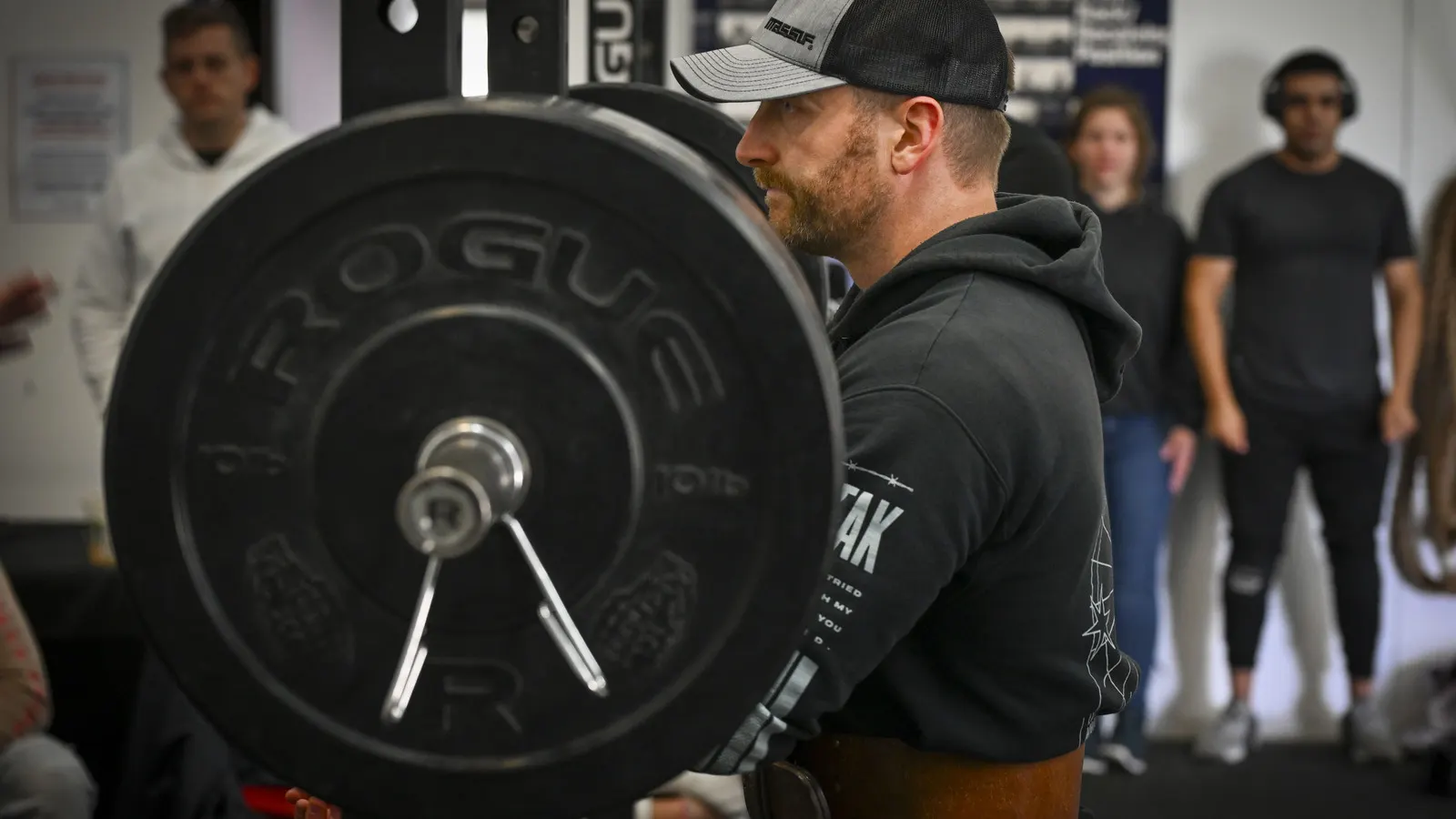
How many racks, benches and platforms you actually need
Most owners guess this, then either queue members at 7pm or carry idle equipment. Start with peak concurrent lifters, not total membership. In a strength facility expect 10-14% of members on the floor at the busiest hour, because sessions run 75-90 minutes. Then allocate:
- 1 rack per 3 peak lifters (sessions rotate between rack, bench, platform and accessories)
- 1 competition bench per 4-5 peak lifters
- 1 platform per 3-4 peak lifters, more if equipped lifting or strongman work is programmed
- 1 bar per station plus 15-20% spares
Typical counts, as planning ranges your member profile will move around:
| Facility size (strength floor) | Practical member base | Peak concurrent lifters | Power racks | Comp benches | Platforms | Bars | Plate inventory |
|---|---|---|---|---|---|---|---|
| 2,000-3,000 sq ft | 150-250 | 12-18 | 3-4 | 2 | 3 | 10-12 | 3-4 tonnes |
| 4,000-6,000 sq ft | 300-500 | 25-35 | 6-8 | 4 | 5-6 | 18-22 | 6-8 tonnes |
| 8,000-10,000 sq ft | 600-900 | 45-60 | 10-14 | 6-8 | 8-10 | 30-36 | 10-14 tonnes |
Cross-check against floor area: free-weight training needs roughly 100 sq ft per person, so a 5,000 sq ft strength floor holds about 50 lifters. If your rack count implies more people than the floor allows, you’ve over-ordered.
Rack specs that matter, and the ones that are marketing
A power rack is a steel box with holes in it. Almost all of the buying decision comes down to six details.
- Upright size and gauge. 3×3 in (75×75 mm) tube in 11 gauge is the commercial standard. 2×2 or 14 gauge is home-gym stock and flexes under a heavy walkout.
- Hole spacing. 2 in is acceptable for general use. If competitive lifters train there, ask for 1 in spacing through the bench zone, so the bar sits at chest height instead of an inch off it.
- Safety type. Pin-and-pipe safeties are cheap and fine for squats. Strap safeties suit rooms where bars get bailed on: the bar hits webbing, not steel, and doesn’t bounce back at the lifter.
- J-cup lining. UHMW plastic, not bare steel or thin rubber. It’s the cheapest part on the rack and the one that decides whether your bars stay straight.
- Depth and bracing. 48-53 in inside depth lets a heavy lifter walk the bar out without clipping the uprights.
- Anchoring. Bolt-down feet or a platform-mounted base. An unanchored rack creeps across the floor within a month.
Ignore the marketing specs: round 1,500 lb load ratings with no test report, laser-cut logos, “commercial grade” used as a standalone adjective. Ask for the steel gauge, the weld process and a load test report you can hand your insurer. A supplier who can’t produce all three is selling a home-gym rack with a commercial sticker.
Bars: build a fleet, not a collection
Powerlifting uses three bar types, and the differences aren’t cosmetic.
- Power bar. 29 mm shaft, 20 kg, 220 cm, 190,000-205,000 PSI tensile. Stiff, aggressive knurl, center knurl for squats. This is your default bar for squat and bench.
- Deadlift bar. 27 mm shaft, longer, with more whip so the bar bends before the plates leave the floor. No center knurl, since it isn’t used on the back.
- Women’s bar. 25 mm shaft, 15 kg. Half your female members pull and squat better on it, and it costs the same as a men’s bar.
- Technique bar. 5-10 kg, for beginners learning positions, and it saves your good bars from being dropped by people who don’t know how to bail yet.
Bushing bars are the workhorse. Needle bearings spin better for Olympic lifting and cost more; for squat, bench and deadlift, bushings last longer. Bare steel feels best in the hand but rusts in humid rooms, so hard chrome or Cerakote for a coastal gym.
A 12-bar fleet for a mid-size strength gym: 6 power bars, 3 deadlift bars, 2 women’s bars, 1 technique bar, plus one spare power bar per 8 in service.
Plates: calibrated, bumper, or iron, and how many tonnes
| Plate type | Weight tolerance | Best use | Typical FOB price |
|---|---|---|---|
| Calibrated steel | ±10 g | Squat, bench, deadlift with controlled lowering; competition prep | approx. $2.00-3.20 per kg |
| Rubber-coated calibrated | ±10-15 g | Same, with less noise and floor damage | approx. $2.40-3.60 per kg |
| Bumper plates | ±1% (training), ±10-15 g (competition) | Dropped lifts, equipped lifting, Olympic work | approx. $1.80-2.80 per kg |
| Cast iron | ±2-3% | Budget platforms, machine loading | approx. $1.10-1.70 per kg |
Calibrated plates are thinner, so more weight fits on the sleeve: a 25 kg disc runs roughly 26-30 mm thick. Bumper plates are thicker, which is why a 300 kg bumper load can run out of sleeve before it runs out of lifter. Over 250 kg pulls, calibrated belongs on the platforms and bumper in the warm-up area.
First-time buyers under-order plates, then find four lifters warming up at 60% of a 250 kg squat empty the rack in twenty minutes. Work it per station:
- Take the heaviest realistic working weight on that station. Say 240 kg squat, 20 kg bar, so 220 kg of plates loaded.
- Per side that’s 110 kg: 4 x 25 kg + 10 kg.
- Multiply by the stations loading at the same time, then add 25-30% for warm-up sets and change plates.
Six stations at 240 kg peak lands around 6-8 tonnes of plates, roughly half in 25 kg discs, the rest across 20, 15, 10, 5, 2.5 and 1.25 kg. Buy the small discs in quantity. The 1.25 kg pair is what makes a 2.5 kg jump possible, and every gym runs out of them first.
Sharing plates between adjacent stations cuts inventory 20-30%, at the cost of members hunting for a 20 kg disc at peak.
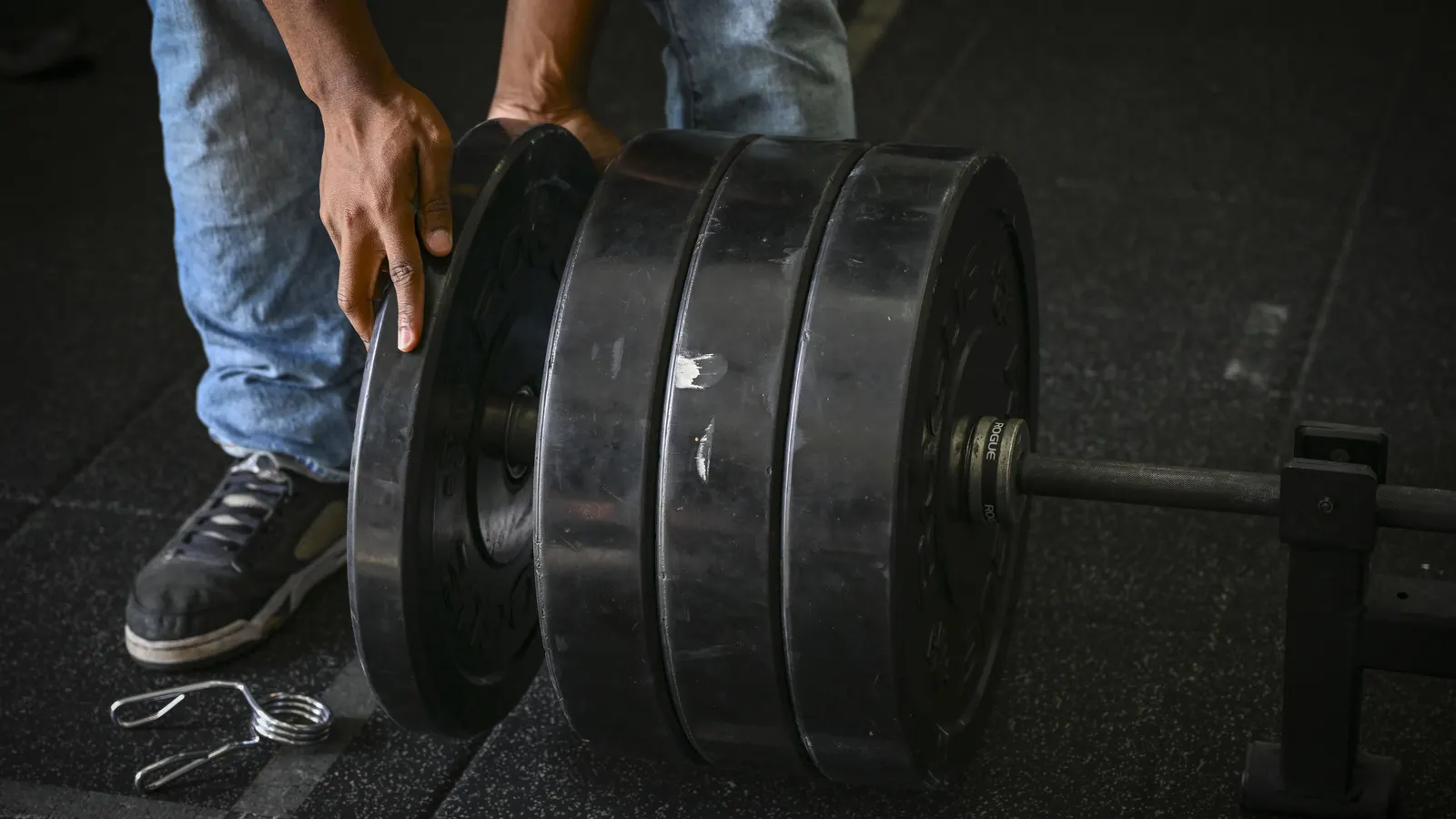
Platforms and floor loading
The deadlift platform is the piece owners most often improvise, and it’s the one that damages buildings when improvised badly.
A working platform is 8×8 ft (2.4×2.4 m) minimum, with 12×12 ft of clear space if lifters pull near max: 3/4 in plywood base, steel or rubber centre insert, 1.5-2 in rubber on the drop zones. A flush inlaid platform removes the trip edge; a surface-mounted one costs less and can be moved when you re-plan the floor.
Floor loading needs a real answer. On a slab on grade, a platform plus a 300 kg deadlift is not a structural problem. On a suspended upper floor it might be, and no equipment supplier can sign that off. Get a structural engineer to look, especially in converted buildings: a rack foot under a loaded walkout puts several hundred kilos into four small contact patches.
Flooring around the platforms: 15-20 mm vulcanised rubber in the lifting zone, 8-10 mm in walkways. Foam tiles under a deadlift platform are money thrown away.
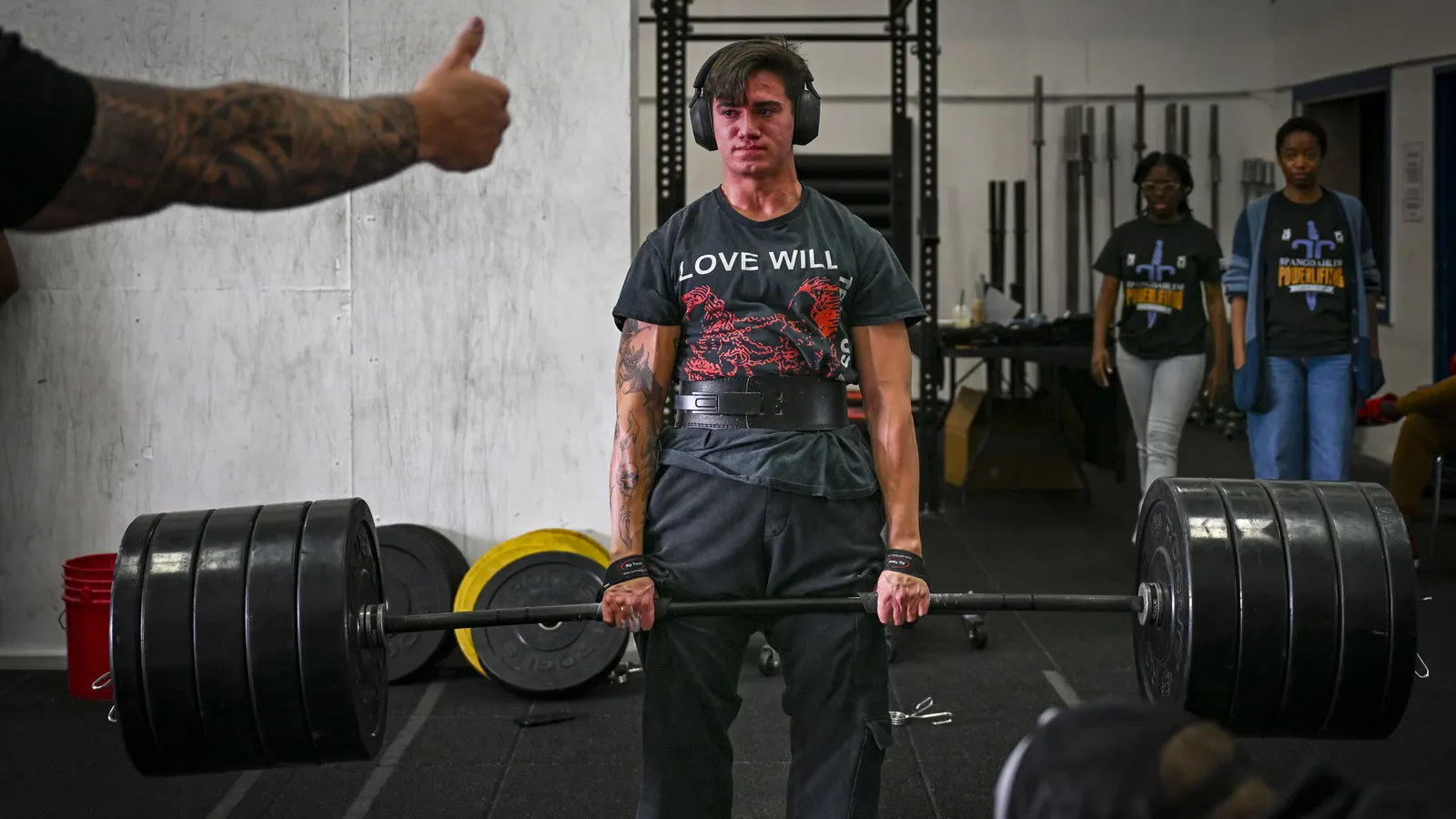
Layout numbers that stop arguments
These clearances come up every fit-out meeting, so keep them on one page:
| Element | Clearance |
|---|---|
| Rack side to wall or next rack | 24-36 in |
| Walkout space in front of rack | 36-48 in |
| Behind a bench (spotter position) | 36-48 in |
| Between adjacent platforms | 24-36 in walking, 48 in+ where bars are loaded |
| Main circulation aisle | 48 in |
| Plate tree to nearest station | within 6-8 ft |
| Ceiling height for rack work | 9 ft minimum, 10 ft comfortable |
Ceiling height catches people out. A 92-100 in rack fits under a 9 ft ceiling, but overhead pressing and equipped lifting need more. Measure the low point of the ceiling, not the plan drawing: ductwork and light fittings are where it goes wrong.
Support pieces worth the floor space
Once the core six are in place, these earn their footprint:
- Glute ham developer. Posterior chain work a rack can’t do. One per 8-10 platforms.
- Reverse hyper. Lower back recovery, popular with powerlifters and tolerated by people with cranky spines.
- Belt squat. Loads the legs without loading the spine, useful for anyone rehabbing a back who still wants to squat.
- Cable column or functional trainer. Rows, face pulls, triceps. One or two, not six.
- Dumbbells to 50 kg. Accessory work only. Nobody needs a 100 kg pair here.
- Adjustable bench. One commercial-rated bench beats three cheap ones.
- Plate trees and bar racks. Storage isn’t optional in a room with 6 tonnes of plates.
Full accessory range is on our gym equipment accessories page if you want to see what ships in the same container.
Budget: where the money actually goes
Approximate factory-direct FOB ranges, mid-2026, for a 5,000 sq ft strength facility:
| Item | Quantity | Approx. unit price | Approx. line total |
|---|---|---|---|
| Power racks, 11 gauge, 1 in bench-zone spacing | 6 | $380-780 | $2,300-4,700 |
| Competition benches | 4 | $180-380 | $720-1,520 |
| Power bars | 8 | $110-240 | $880-1,900 |
| Deadlift bars | 3 | $130-280 | $390-840 |
| Women’s bars | 2 | $110-230 | $220-460 |
| Calibrated plates | 6.5 t | $2.00-3.20/kg | $13,000-20,800 |
| Bumper plates (warm-up zone) | 1.5 t | $1.80-2.80/kg | $2,700-4,200 |
| Platforms (materials + insert) | 5 | $600-1,400 | $3,000-7,000 |
| Rubber flooring, 15 mm lifting zone | 1,200 sq ft | $2.20-3.50/sq ft | $2,600-4,200 |
| GHD, reverse hyper, belt squat | 2 + 1 + 1 | $300-950 | $1,500-3,200 |
Plates and flooring come to more than half the equipment budget. Owners who spend on branded racks and buy cheap plates end up with a room that looks better than it trains. Plates are heavy and dense, racks are bulky and light, so a mixed container loads better than either alone, which is one reason to buy the list from one factory instead of three. Our power rack range and benches and racks share the same tube stock, so gauge and colour match across the order.
What to put in the purchase order
A powerlifting order lives or dies on details that never appear on a product page. Write these into the PO:
- Steel gauge and tube size per item, as 11 gauge 3×3 in, not “heavy duty”
- Weld type, and whether joints are ground and inspected
- Powder coat thickness in microns, plus a colour sample before production
- Plate weight tolerance stated numerically, with a sampling method
- UHMW thickness on J-cups and safeties, plus a spare set of each in the container
- Metric hardware spec, with a spare bolt kit per 10 racks
- Load test report and EN 957 / ISO 20957 reference for strength items
- Packaging: crated racks, banded plate pallets, corner protection on benches
- Spare parts rider: J-cups, safety pins, UHMW strips, bar bushings, plate inserts
Get the packing list with CBM and gross weight per carton before the container is booked. That’s the difference between a quote you can compare and a quote you have to trust.
FAQ
How much space does a powerlifting gym need? A workable strength gym starts around 2,000-2,500 sq ft: three racks, two benches, three platforms, 3-4 tonnes of plates. Below that, lifters queue at peak and plate storage eats the floor. Above 6,000 sq ft you can add equipped lifting areas and a warm-up room without crowding.
How many racks do I need for 300 members? Around 6-8 racks for a 4,000-6,000 sq ft strength floor with 300-500 members, assuming 10-14% train at peak. Two racks is the minimum for any commercial room: a single rack is one broken pin away from closing the squat area.
What steel gauge should I insist on for a commercial power rack? 11 gauge in 3×3 in tube for anything loaded daily. 12 gauge in 3×3 is acceptable for light commercial rooms and home gyms. 14 gauge or 2×2 tube flexes under a heavy walkout and shouldn’t be sold as commercial.
Can one rack handle both squat and bench? Yes, and combo racks save floor space in small rooms. The trade-off is throughput: at peak, a lifter benching inside the squat rack blocks someone waiting to squat. Past about 8 lifters at peak, a dedicated competition bench pays for itself in queue time.
Buying the room as one order
Racks, benches, bars, plates and platforms from one factory means one gauge standard, one powder coat batch, one packing list and one container. It also means one supplier to chase when a J-cup shows up short.
Send us your floor plan and member profile and we’ll come back with a station count, a plate tonnage recommendation and a line-item quote with CBM per item. Start at our contact page or browse the power rack range to see the specs we build to.