
Gym Equipment Installation: What to Do When Your Container Arrives
The container arrives, the driver wants to leave in 45 minutes, and there is no forklift. That is how most gym equipment installation days go wrong — not in the assembly, in the 90 minutes before it.
Here is what a clean installation actually requires: an access survey done weeks earlier, a written unloading plan, two people who know which crate goes where, and a commissioning checklist per machine. A mixed 40HQ of 25 to 30 machines takes roughly 2 to 4 days with three or four people on site. Not because assembly is hard, but because it is heavy, sequential, and unforgiving of missing hardware.
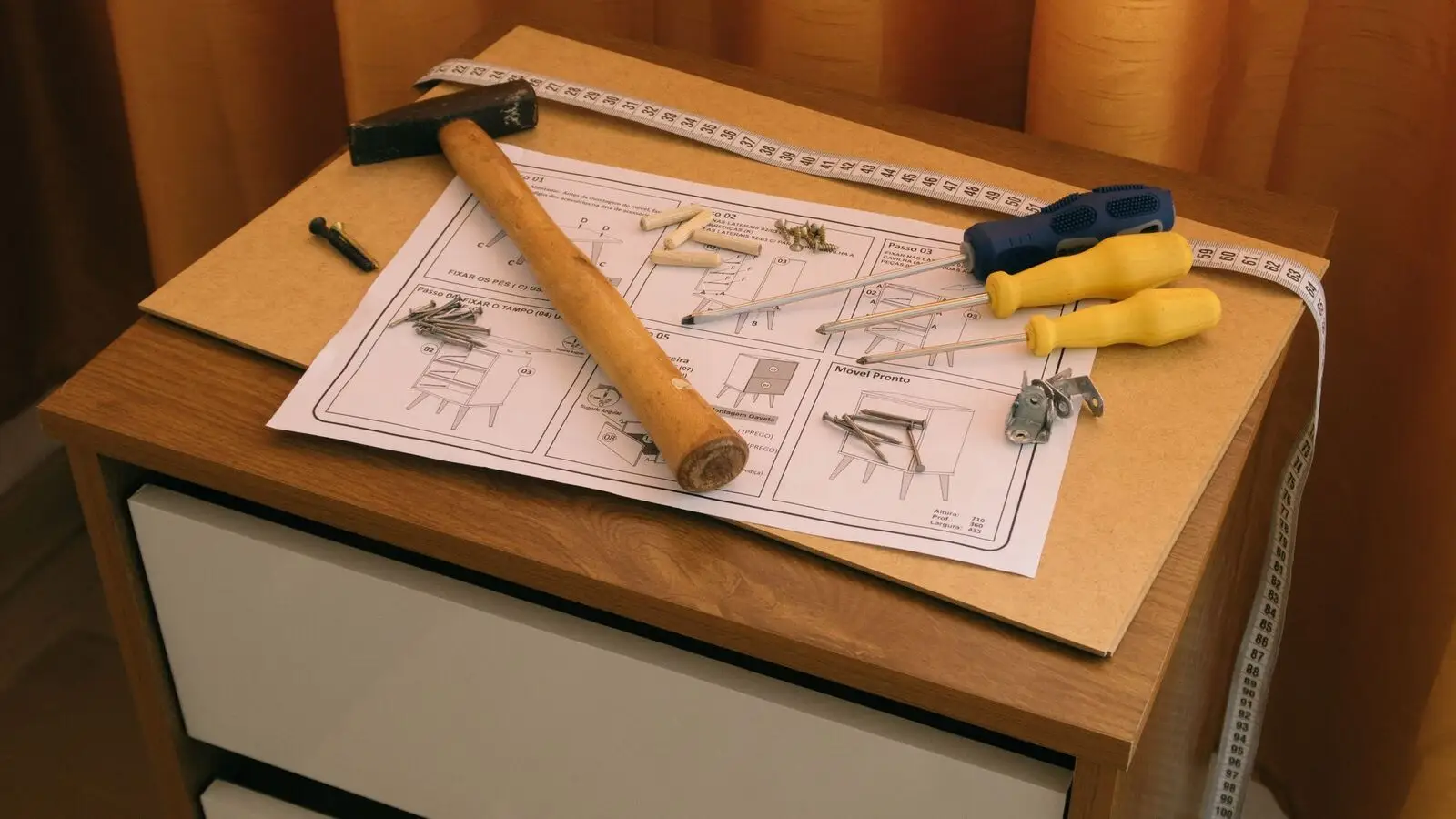
Gym equipment installation starts weeks before the container
Every measurement below has cost a gym owner money at least once. Take them with a tape measure and photos, and send them to your supplier so the packing plan matches the building.
| Measurement | Why it matters | Practical target |
|---|---|---|
| Door width and height, clear opening | Machines and crates come on pallets; a crate 10 cm too wide stops at the door | 48 in / 120 cm clear is comfortable, 36 in / 90 cm is workable |
| Corridor and turn radius | A 96 in treadmill deck does not turn a 90-degree corner in a 40 in corridor | Measure the tightest corner, not the widest |
| Freight elevator internal dimensions and door | The single most common blocker in office, hotel and apartment gyms | Crate height under elevator door height minus 4 in |
| Stair width, landings, handrails | Stairs mean carrying by hand or a crane through a window | Quote rigging early; it is not a same-day decision |
| Floor loading capacity | A 40HQ of steel is concentrated weight; upper floors need checking | Ask the structural engineer, in writing |
| Dock availability or liftgate need | Determines delivery appointment type and cost | No dock means liftgate plus pallet jack, sometimes a second truck |
| Power: voltage, phase, circuits per cardio machine | Treadmills need dedicated circuits; a shared circuit trips at peak | One dedicated circuit per treadmill, per manufacturer spec |
| Ceiling height at the cardio zone | Treadmill use and stair climber use need headroom | 8 ft minimum, more for stair climbers and overhead cable work |
| Flooring state and finish date | Equipment goes in after flooring, never before | Flooring complete and cured, 48 hours minimum |
| Site storage for crates | Crates need somewhere to sit while zones are prepared | 300–500 sq ft of dry, secure space |
If you are fitting out a leased space, get the elevator and door dimensions written into your handover notes. Building managers change access rules, and a service elevator that was available during the site visit can be booked out on delivery day.
Choose your delivery type before you choose a trucking company
The delivery appointment type drives labour, and labour drives the day.
| Delivery type | What you get | Labour reality |
|---|---|---|
| Dock to dock, commercial address | Driver backs in, you unload | Need a forklift or a crew plus pallet jack |
| Liftgate delivery | Driver lowers pallets to ground level | Curbside only, driver does not enter the building |
| Inside delivery | Carrier moves goods into the building | Priced per piece and per flight of stairs, confirm in writing |
| White glove / rigging | Unloading, positioning, sometimes assembly | Most expensive, best for tight sites and heavy plate-loaded machines |
Curbside is the default on most freight quotes unless you ask. A 40HQ dropped curbside at a building with no dock means you are moving 20-plus crates by hand, in the street, on a clock.
Receiving: the 20 minutes that decide your warranty claim
Before the driver leaves, do four things:
- Match the seal number to the bill of lading. If they differ, write it on the delivery receipt before you sign.
- Photograph the container doors open and every crate face, including corners and any crushed edges.
- Count cartons against the packing list. Note shortages on the receipt, in writing, before signing.
- Note visible damage on the receipt, not after. “Received with 2 crates crushed on right side” written on the paperwork is a claim. The same sentence sent by email a week later is a denial.
Then open the priority crates the same day: consoles, upholstery pads and anything glass or acrylic. Damage hidden inside a crate for three weeks is damage you will argue about for three months.
Unload in zone order, not crate order
Most crews unload in whatever order the crates come out, then push everything into a corner and move it twice. Unload against the layout instead.
- Read the crate labels first and sort by destination zone: cardio, selectorized, plate-loaded, free weights, accessories, flooring.
- Take the crates for the furthest zone out of the container first, so you are not dragging a leg press past twenty treadmills later.
- Keep heavy plate-loaded frames near the door until the flooring in their zone is finished.
- Put flat, stackable crates (benches, pads, small parts) on top of the pile, never underneath.
- Set aside a single “parts table” for hardware bags, manuals and small accessories, and never let it become a general dumping ground.
One practical note: hardware bags go missing on almost every job. Tape each machine’s bag to its own frame, or keep them in one labelled box with the machine model written on the bag. A missing M12 bolt stops a machine for a day while everything else keeps moving.
Assembly time per machine type
These are realistic single-crew estimates for knocked-down shipments, with two people working. Add 30% for one person, subtract a little for three.
| Equipment | Assembly time | Common hold-up |
|---|---|---|
| Selectorized strength machine | 60–90 min | Weight stack alignment, guide rod shimming |
| Plate-loaded machine (leg press, hack squat) | 60–120 min | Sled positioning, safety stop adjustment, footplate fit |
| Power rack / half rack | 30–60 min | Squaring the frame, anchoring to floor |
| Treadmill (knocked down) | 45–90 min | Console mast wiring, belt tracking after first run |
| Elliptical | 45–75 min | Linkage alignment, console harness routing |
| Exercise bike / spin bike | 20–40 min | Seat post and pedal torque, stabiliser levelling |
| Rower / air bike | 20–45 min | Monitor wiring, fan cage clearance |
| Bench, FID bench | 15–30 min | Pad bolt torque, ladder adjustment |
| Dumbbell rack | 30–60 min | Levelling, anchor points, shelf spacing |
Multiply by your count and you have the labour days. Twenty selectorized machines at 75 minutes each is 25 hours, which is three days for one crew of two, or a day and a half for two crews. That is the number to give your installer when you ask for a quote, and it is the number that stops the “we’ll be done by lunch” conversation.
Tools and consumables to have on site
- Socket set (metric and imperial — Chinese machines are usually metric, US accessories often are not)
- Torque wrench, 10–150 Nm range
- Hex and Torx key sets
- Rubber mallet, pry bar, utility knives, cable cutters
- Pallet jack, and a forklift if you have a dock
- Two extension leads, a power strip, and a circuit tester
- Furniture dollies or machine skates for positioning without lifting
- Nitrile gloves, knee pads, floor protection sheets, two rolls of gaffer tape
- Shop vacuum and clean rags — steel dust and packing foam get everywhere
- Printed layout plan taped to the wall, and a marker for the punch list
Sequence the trades properly
Equipment comes last. Every time someone installs a treadmill before the flooring is finished, they pay for it twice.
- Flooring complete and cured
- Mirrors and wall padding hung
- Electrical rough-in and dedicated circuits tested
- Equipment delivery and positioning
- Anchoring and cable routing
- Accessories, storage, mats, small items
- Signage, cleaning, final walkthrough
Two exceptions worth planning for: mirrors behind racks and benches should be installed with safety film and a bumper rail before racks are anchored, and wall padding in functional areas goes up before rigs, because a rig blocks the wall.
Commissioning: test every machine before you sign
Commissioning is not “does it turn on”. It is a short, repeatable check per category, done with the manual open.
Cardio. Belt tracking at low and high speed, incline calibration against a digital level, emergency stop function, console boot and language check, heart rate grips, and 10 minutes of running at 6 mph to listen for bearing noise. On bikes, check resistance at minimum and maximum and listen for the bottom bracket.
Selectorized strength. Full stack travel up and down with no binding, cable and pulley alignment, pop pin engagement at every position, guide rod straightness, and a torque check on every frame bolt. Run two or three reps of the heaviest plate you have and look for shroud rattle.
Plate-loaded. Sled travel through the full range, safety stop position and cushion condition, weight horn capacity and sleeve condition, footplate grip, and pivot play under load.
Free weights and racks. Rack uprights plumb and square, J-cups seated, safeties at working height, floor anchors set, barbell spin, and plate weight verification on a sample of 3 to 5 plates.
Cables and pulleys on everything. This is the wear item that fails first. Check the cable for kinks and fraying at the swaged ends, and confirm each pulley spins freely without wobble.
Log it. A commissioning sheet per machine, signed and dated, is what your insurer may ask for, and it is what your maintenance schedule builds on.
The punch list and the spare parts conversation
Write every defect on one page: machine model, serial or position on the layout, description, photo reference. Send it to the supplier within 7 days of delivery with photographs. Two categories, kept separate:
- Transit damage — claim against insurance, needs photos taken before signing.
- Manufacturing defects or shortages — claim against the supplier, needs the packing list and the punch list.
Then ask the question that saves you a second shipment: can the replacement parts ride in your next container? A cable, a pad set and a hardware bag cost very little and cost a fortune to air freight alone.

What to ask the factory before the container loads
Most installation pain is designed in at the packing stage. These requests cost the factory almost nothing and save you days:
- Hardware kit per machine, bagged and labelled with the model number.
- Cartons labelled by zone as well as by model, if you supply the layout.
- Assembly manual in your language, plus a QR link to an assembly video for the three most complex machines.
- Consoles shipped in separate, crush-resistant cartons rather than inside the machine crate.
- Pre-installed console masts on treadmills if the crate height allows it — saves 20 minutes per unit and one wiring mistake per unit.
- Confirmation of which units ship assembled and which knocked down, with crate dimensions and gross weights per carton.
- A statement of what is not included: tools, anchors, floor fixings, barbells, plates.
FAQ
How long does it take to install a commercial gym? A 40HQ mixed order of 25 to 30 machines takes 2 to 4 days with three or four people, assuming the room is ready and the delivery lands on time. Free-weight areas and rigs add a day. A single-room hotel or apartment gym is usually a one-day job.
Do I need a forklift for delivery? Only if you have a dock. Without a dock you need a liftgate delivery plus a pallet jack, and someone strong enough to move crates that can weigh 200 to 400 kg. For heavy plate-loaded machines into a basement or upper floor, price rigging before you order, not after.
Should the supplier assemble the equipment? Most Chinese factories ship knocked down because assembled machines waste container space and arrive with bent frames. Assembly is straightforward for anyone with basic tools, but budget for it: 20 machines is roughly 25 hours of work. Some suppliers offer an installation supervisor for larger projects; that is worth asking about on orders above roughly 30 machines.
What is the most common installation mistake? Installing before the flooring and electrical work are finished. The second most common is not checking the freight elevator. Both are cheap to prevent and expensive to fix.
What should I check before signing the delivery receipt? The seal number against the bill of lading, the carton count against the packing list, and visible damage on every crate. Write any discrepancy on the receipt itself. Photograph everything before the driver leaves.
Plan the day, not just the order
The equipment is the easy part. The installation day is a logistics problem with a hard deadline and a driver who has another stop.
Measure the access, decide the delivery type, unload by zone, keep the hardware bags with their machines, and commission each unit against a checklist. Do that and a 40HQ becomes three productive days instead of a week of improvisation.
If you are planning a fit-out, send us your floor plan and machine list. We will send back a packing plan, crate dimensions and a per-machine assembly time table so you can quote labour accurately. Browse the cardio series and plate-loaded machines, or talk to us about a mixed container.